Timeline Adjustments in Operator Reporting: Impacts on Licensed Mobile Gaming Availability
Katja Griffin · Jul 14, 2026
Timeline Adjustments in Operator Reporting: Impacts on Licensed Mobile Gaming Availability
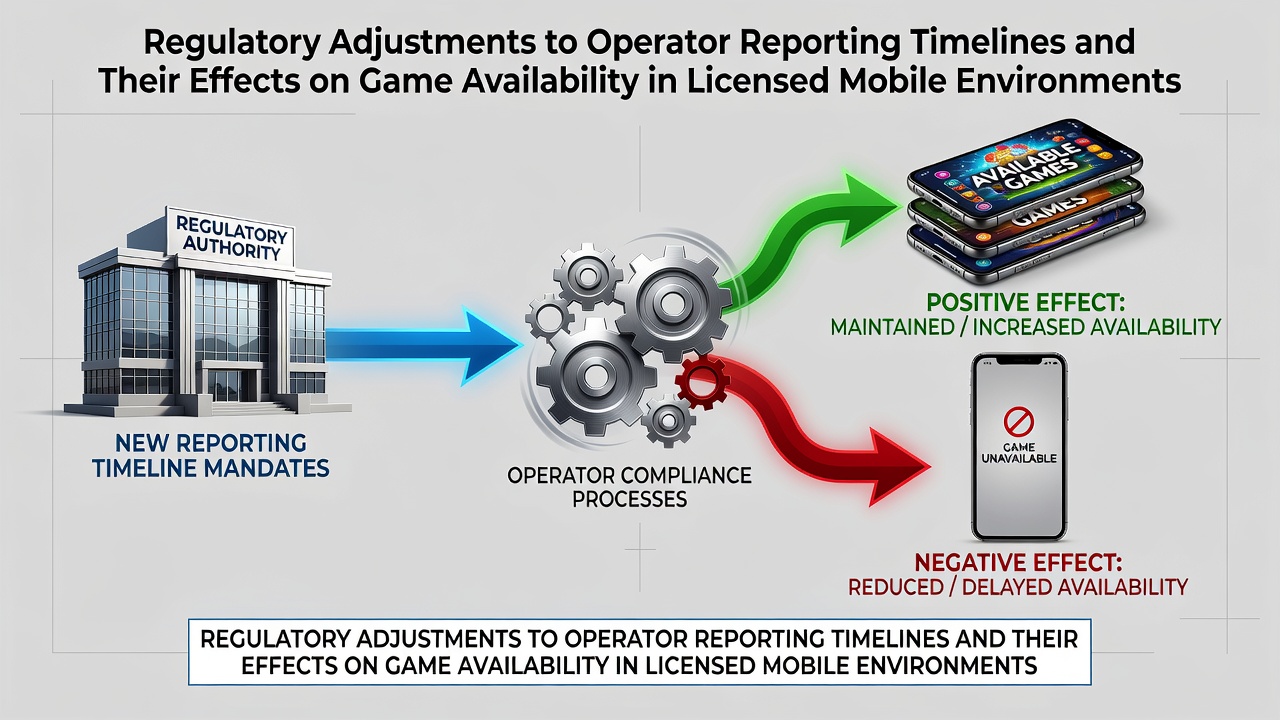
Regulators across multiple jurisdictions have implemented changes to the deadlines operators must meet when submitting operational and financial reports, and these shifts directly influence how quickly new games reach licensed mobile platforms. Data from industry monitoring shows that compressed reporting windows force operators to allocate more resources toward compliance verification before launching or updating titles in mobile environments, whereas extended timelines sometimes allow for smoother integration of fresh content while maintaining oversight requirements.
Changes to Submission Deadlines Across Jurisdictions
Authorities in several regions shortened monthly reporting cycles from thirty days to twenty-one days for revenue and player activity metrics starting in late 2025, with further refinements scheduled for July 2026 that tie these deadlines to real-time data feeds from mobile applications. Operators now compile information on game performance, payout percentages, and user engagement within tighter frames, and this adjustment requires updated internal systems that sync directly with licensing portals before any new slot or table game variant appears in app stores or operator platforms.
One analysis of compliance records revealed that jurisdictions adopting these shorter cycles experienced a measurable drop in the average time between game certification and mobile release, because operators front-load testing and documentation to avoid missing the revised cutoffs. Yet jurisdictions that lengthened quarterly financial submissions by an additional fifteen days saw operators introduce more incremental updates to existing mobile libraries rather than full-scale launches, since the breathing room permitted phased rollouts after initial approvals.
Effects on Game Certification and Mobile Rollouts
Certification bodies require operators to demonstrate that reported figures match live mobile environment data before green-lighting new releases, and adjusted timelines mean that any delay in compiling those figures pushes back the availability date for players. Research from academic gaming studies indicates that when reporting must occur within the first ten business days of each month, operators prioritize a smaller set of high-performing titles for mobile deployment to meet both deadlines and technical stability checks.

Those who've examined European and North American licensing patterns note that staggered deadlines across different regulatory bodies create overlapping obligations for multi-jurisdiction operators, and this overlap often results in selective game availability where certain titles remain restricted to specific mobile markets until all reports clear. Figures from trade association reviews show an average fourteen-day extension in release schedules when operators must reconcile data from both weekly and monthly submissions before certification finalization.
Operational Adjustments by License Holders
License holders have responded by investing in automated reporting tools that pull directly from mobile backend servers, and these systems reduce the manual reconciliation time that previously delayed game availability announcements. Observers note that operators handling multiple licensed environments now maintain parallel compliance calendars, one for each jurisdiction's adjusted timeline, which helps prevent bottlenecks when submitting evidence of responsible gaming controls alongside revenue figures.
Case examples from 2025 illustrate how one operator synchronized its mobile game testing pipeline with the new twenty-one-day reporting window, allowing three additional titles to reach licensed platforms in a single quarter compared with the prior schedule. Data indicates that such synchronization also lowers the risk of temporary suspensions, since timely submissions keep licenses in good standing and maintain continuous access for mobile users.
Player Access Patterns and Platform Availability
Players in regulated mobile environments encounter fewer sudden removals of games when operators align reporting with certification renewals, because the adjusted deadlines encourage proactive monitoring of compliance metrics throughout the development cycle. Statistics compiled by research institutions demonstrate that markets with synchronized timelines experience steadier availability rates, with less than a five percent fluctuation in active game counts month over month.
Yet markets where deadlines remain unsynchronized report higher instances of temporary delistings while operators finalize reports, and these gaps affect user retention on mobile applications until the next reporting cycle completes. External monitoring from sources such as the New Jersey Division of Gaming Enforcement highlights how consistent reporting supports uninterrupted mobile access across licensed operators.
Future Outlook Following July 2026 Implementation
Additional refinements set for July 2026 will require operators to submit mobile-specific usage reports within fifteen days of quarter end, and this change is expected to further compress the window between game approval and live availability. Industry reports from organizations like the Australian Communications and Media Authority suggest that operators already preparing automated pipelines will adapt more readily, while those relying on manual processes may face extended lead times for new mobile content.
Conclusion
Regulatory adjustments to operator reporting timelines continue to shape the pace at which games become available in licensed mobile environments, with shorter deadlines accelerating preparation but lengthening some release cycles and extended windows enabling steadier incremental updates. Evidence from multiple jurisdictions shows that operators who integrate compliance directly into development workflows maintain broader game libraries without interruption, while the July 2026 updates will test how effectively current systems handle the next layer of reporting requirements across diverse regulatory frameworks.