Synchronized Payment Technologies Enabling Seamless Live Roulette Access on Mobile Devices
Kai Wolf · Jun 2, 2026
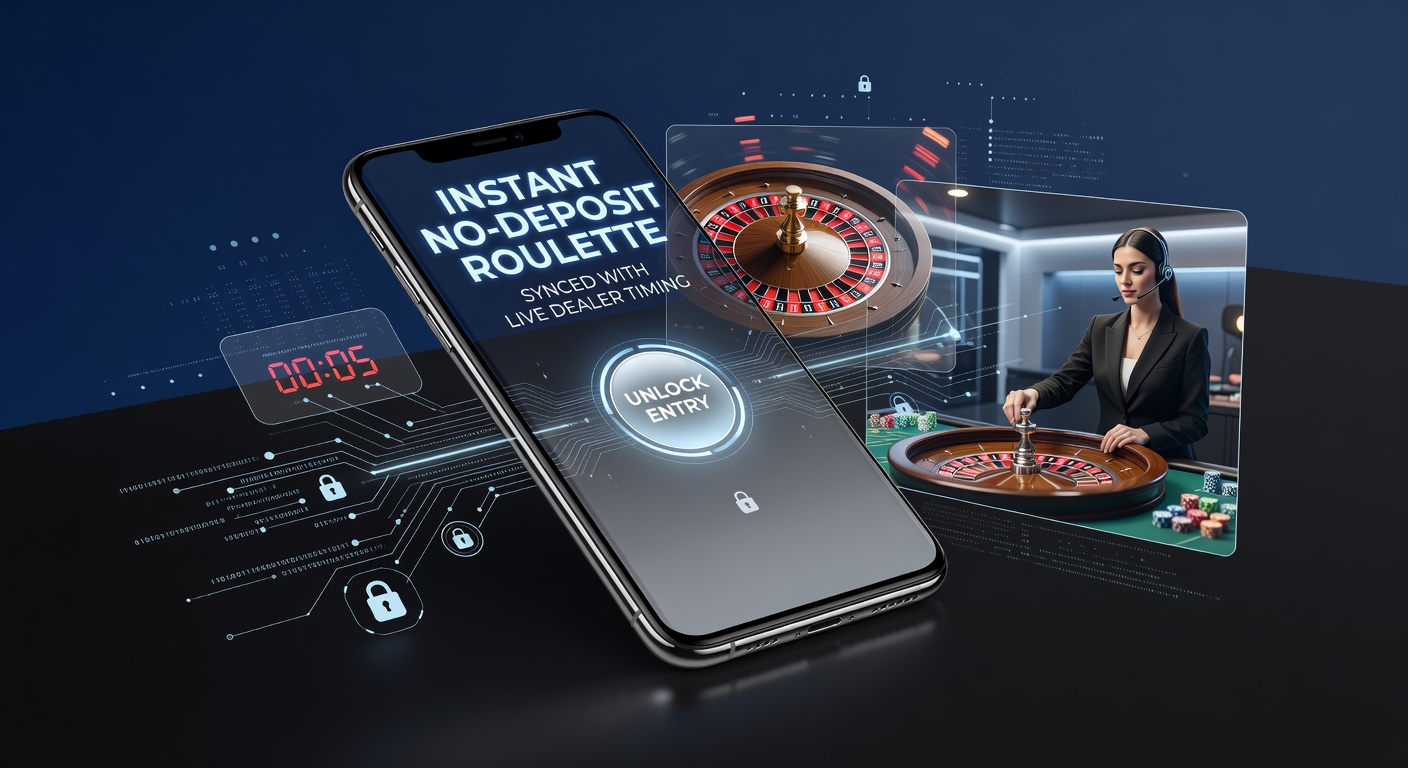
Synchronized Payment Technologies Enabling Seamless Live Roulette Access on Mobile Devices
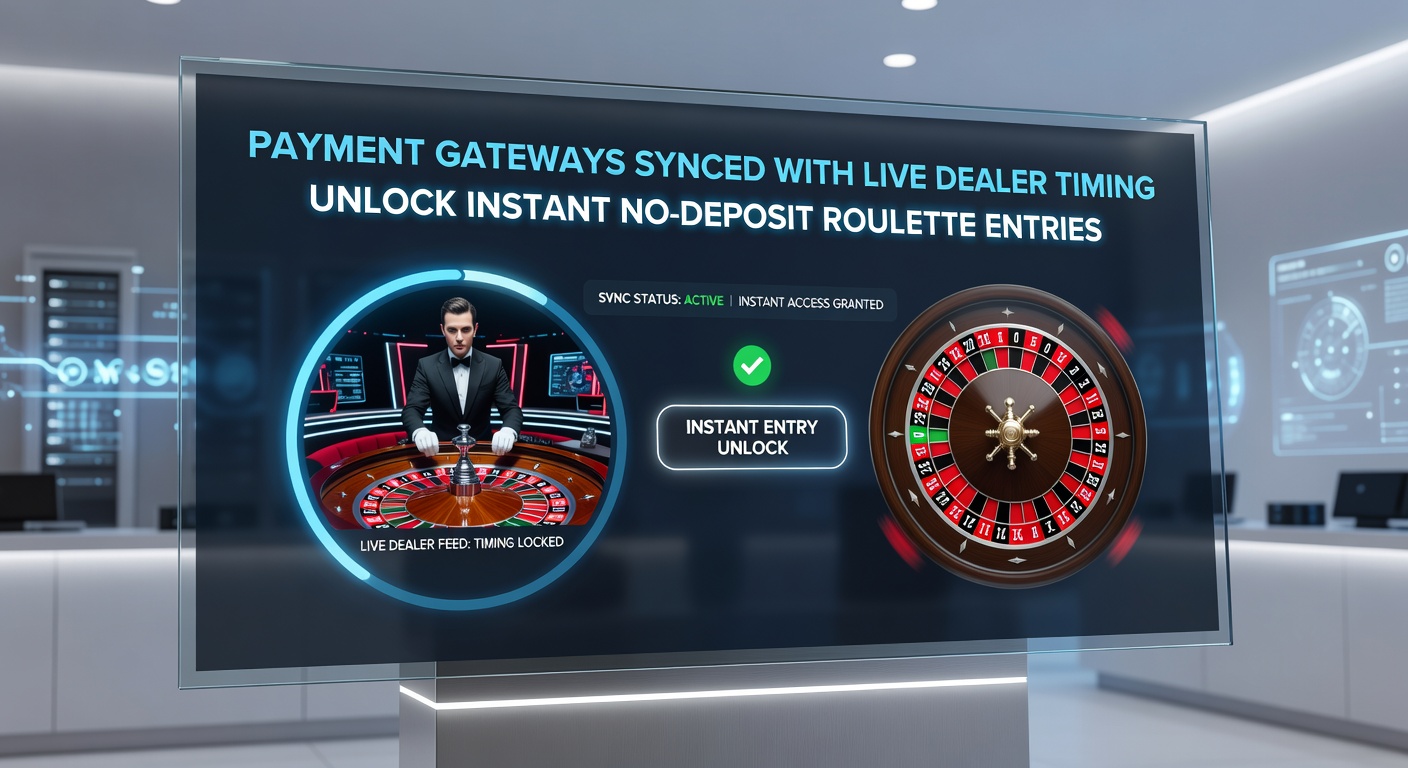
Payment gateways designed to align with live dealer schedules have emerged as key components in mobile gaming platforms, allowing users to enter roulette sessions without initial deposits through precise timing mechanisms. These systems integrate API connections between financial processors and streaming table feeds so that authorization windows open exactly when dealers prepare new rounds. Observers note that such synchronization reduces latency issues common in earlier mobile setups where payment confirmations often lagged behind table availability.
Technical Framework Behind Timing Integration
Developers build these gateways around real-time data streams from casino servers that broadcast dealer activity directly to payment modules. When a table reaches a specific phase such as the start of a betting period, the gateway activates a temporary no-deposit slot that processes through mobile billing or linked accounts. Research from industry reports indicates that this approach relies on millisecond-level clock synchronization protocols similar to those used in high-frequency trading systems. And companies deploying the technology report that it supports both Android and iOS environments through optimized SDKs that handle variable network conditions without interrupting the flow.
One implementation involves token-based verification where a user's device receives a short-lived credential triggered by dealer signals. This credential then interfaces with the payment processor to confirm eligibility for instant entry. Studies on mobile transaction speeds show that gateways using this method achieve confirmation times under two seconds in controlled tests across European and North American networks. The process avoids traditional deposit steps by leveraging pre-approved credit lines or promotional balances that activate only during matched live sessions.
Regional Developments and Data Trends
Data collected through 2025 and into June 2026 reveals increased adoption rates in markets outside traditional UK oversight, including regulated environments in parts of the United States and Australia. Figures from the Nevada Gaming Control Board highlight how similar synchronization tools have supported expanded mobile offerings while maintaining compliance standards. Meanwhile researchers at academic institutions examining payment latency have documented reductions in entry failures when gateways match dealer cycles rather than relying on static schedules.
Platforms in these regions often combine the gateways with geolocation checks and device fingerprinting to ensure entries remain within permitted zones. Observers tracking adoption patterns point out that operators using these methods record higher session continuity because players avoid the friction of separate funding steps. External analyses from sources like the American Gaming Association further suggest that integration with live streams creates measurable improvements in user retention metrics during peak hours.
Security Measures and Compliance Protocols
Security layers in these gateways incorporate end-to-end encryption alongside dynamic session keys that expire with each dealer round. This setup prevents reuse of credentials beyond the intended window and aligns with broader standards from bodies such as the Australian Communications and Media Authority. Compliance teams conduct regular audits to verify that timing matches do not introduce vulnerabilities during the brief no-deposit intervals.
Those who have examined case implementations describe scenarios where mobile users in Canada accessed synchronized roulette tables through gateways linked to provincial regulatory frameworks. The systems there use similar clock alignment techniques while incorporating additional verification through national banking rails. Evidence from transaction logs indicates that error rates drop significantly when payment triggers coincide precisely with dealer announcements rather than operating on independent timers.
Future Integration Patterns
Emerging patterns show operators exploring expansions that connect these gateways to additional table games beyond roulette while preserving the core timing logic. Reports from June 2026 note pilot programs testing cross-platform handoffs between mobile devices and desktop setups that maintain synchronization continuity. Industry organizations continue to publish guidelines that emphasize the importance of matching payment flows to live action sequences for optimal performance.
Overall the technology continues to evolve through iterative updates that refine API responsiveness and expand compatibility with newer mobile operating systems. Those monitoring the sector anticipate further refinements based on ongoing data collection from deployed systems across multiple jurisdictions.
Conclusion
Payment gateways synchronized with live dealer timing represent a targeted advancement in mobile roulette access that prioritizes seamless entry through coordinated financial and streaming processes. Available data from various regulatory and research sources underscores measurable impacts on transaction efficiency and session management across different regions. Continued development in this area focuses on maintaining security while adapting to evolving platform requirements.