Progressive Incentive Models and Shifts in British Long-Form Gaming Strategies
Alex Richter · Jul 28, 2026
Progressive Incentive Models and Shifts in British Long-Form Gaming Strategies
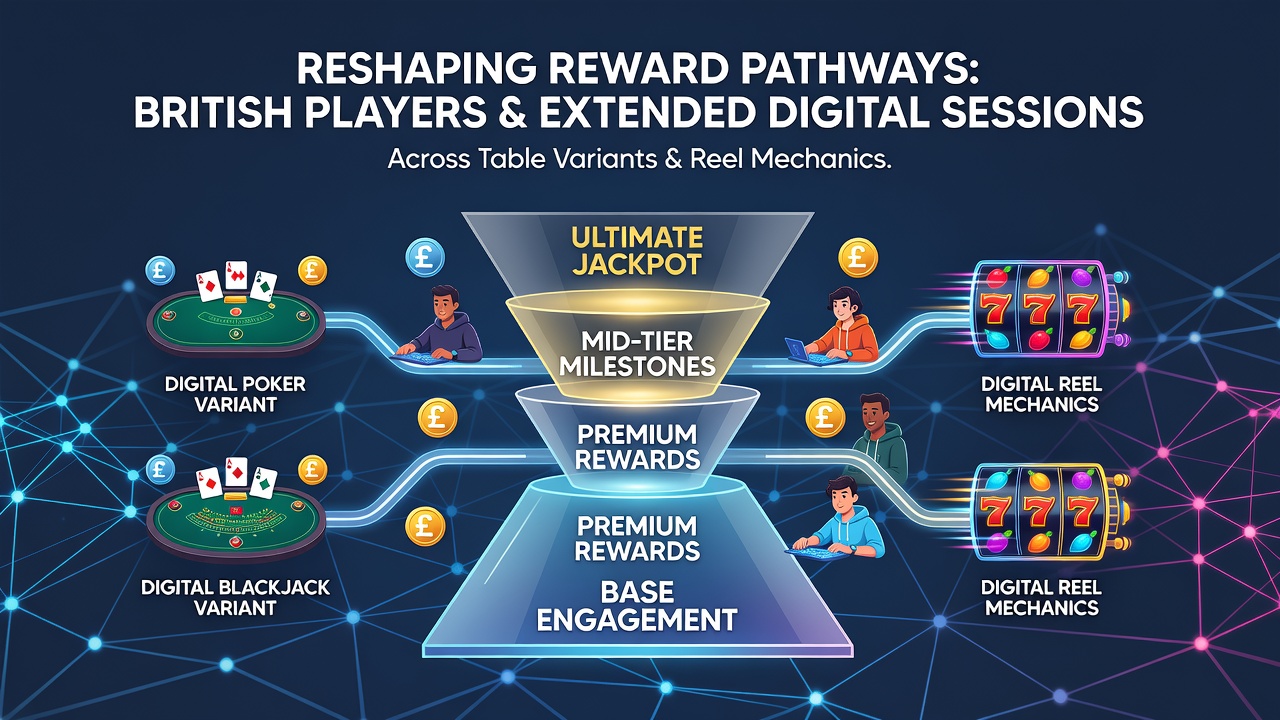
Progressive incentive models have begun reshaping how British players structure extended sessions across digital table variants and reel mechanics, with operators layering points, cashback tiers, and status benefits that scale with play volume. These systems track cumulative activity on games such as roulette, blackjack, and various slot formats, then unlock incremental advantages that encourage longer continuous engagement rather than fragmented short bursts.
Mechanics of Tier Advancement
Operators calculate advancement through points earned per wager, where table variants often award higher multipliers because of their slower pace per spin or hand, while reel mechanics deliver faster point accumulation through rapid reel cycles. Players aiming for mid-tier status frequently combine sessions on both formats, alternating between live dealer tables and automated slots to balance pace and reward velocity, and data from industry tracking platforms shows this hybrid approach has grown more common since operators refined their algorithms in 2024.
Session Planning Adjustments
British participants now map out session lengths against tier thresholds, scheduling breaks or game switches to optimise point accrual without triggering fatigue-related errors. In roulette and blackjack environments, extended play allows steady accumulation toward weekly or monthly targets that unlock personalised reload offers, whereas slot sessions provide quicker jumps between lower tiers because of higher spin frequency. Research published by the Australian Gambling Research Centre indicates that structured reward ladders correlate with measurable increases in average session duration across regulated markets, although individual outcomes vary by game selection and bankroll management.
One pattern observers note involves players targeting specific table limits during peak hours to maximise comped playtime once a new tier activates, while reel enthusiasts often extend sessions into early morning periods when certain progressive jackpots align with bonus multipliers tied to loyalty status. These behaviours emerge directly from the way operators publish tier requirements and point expiry rules, giving participants clear roadmaps rather than vague promises.

Regional Comparisons and External Benchmarks
Figures from the European Gaming and Betting Association reveal that markets with mature tier structures report steadier player retention across multi-hour sessions compared with regions lacking such frameworks. British operators have adapted elements from these models, incorporating daily and weekly caps that reset at set intervals, which in turn influences when participants choose to begin longer sessions. With updates scheduled for July 2026 that will standardise reporting on reward programme transparency, operators are preparing revised dashboards that display real-time progress toward each tier, reducing uncertainty for those planning extended play windows.
Table game participants frequently cite the predictability of point thresholds as a factor in deciding whether to extend a session past initial targets, whereas reel players leverage the faster feedback loops of cascading features and cluster pays to accelerate tier movement. Both groups benefit from cashback percentages that increase at higher levels, creating a feedback loop where reaching the next status bracket directly offsets a portion of prior losses and thereby supports continued participation.
Integration With Payment and Game Features
Payment method choices intersect with these systems when operators award bonus points for using specific e-wallets or instant bank transfers during qualifying sessions. Faster funding options allow seamless top-ups that keep point accumulation uninterrupted, particularly useful during late-stage pushes toward a new tier. Reel mechanics incorporating Megaways or cluster formats amplify this effect because each spin can trigger multiple point events within seconds, shortening the time required to cross thresholds compared with traditional payline slots.
Live dealer environments introduce additional variables, since table minimums and maximums affect both wager size and point rate, prompting some players to migrate between lower-stake and higher-stake tables as their tier status improves and new limits become available. Data sets released by the Responsible Gambling Council of Canada show similar migration patterns in jurisdictions with comparable loyalty architectures, suggesting the British experience aligns with broader international trends rather than representing an isolated development.
Conclusion
Tiered reward pathways continue to influence session architecture for British players across digital table variants and reel mechanics, with advancement criteria, point multipliers, and status perks dictating when and how long individuals engage. As operators refine these structures ahead of the July 2026 transparency requirements, the observable result is more deliberate planning around game selection, session timing, and payment flows, all calibrated to the published rules of each loyalty programme. External benchmarks from multiple regulatory regions confirm that such systems produce consistent effects on play duration wherever they operate under clear disclosure standards.