Phone Funding Integration Shapes Choices in Rapid Mobile Roulette Formats
Erik Albrecht · Jun 21, 2026

Phone Funding Integration Shapes Choices in Rapid Mobile Roulette Formats
Phone-based funding systems connect directly to carrier accounts and allow deposits without traditional banking steps, which influences how players manage timing and bet sizing during accelerated roulette rounds that complete in under thirty seconds. Data from transaction logs shows these methods reduce the interval between decision points and cash additions, leading operators to adjust game speeds accordingly in several high-volume markets.
Mechanics of Carrier Billing in Mobile Environments
Carrier billing processes requests through SMS confirmations or app-based authorizations that draw from monthly phone statements rather than stored cards or e-wallets, and this setup limits transaction sizes to operator-defined ceilings that often range between fifty and five hundred units per session. Research conducted by the University of Las Vegas gaming laboratory indicates that users of such systems place smaller average bets per spin compared with credit card holders yet maintain longer session durations because the friction of repeated authorizations stays minimal.
High-paced variants incorporate auto-bet sliders and one-tap confirmations that pair naturally with instant funding confirmations, so players can reload mid-round without exiting the table interface. Figures released by the European Gaming and Betting Association reveal that adoption of phone billing rose eighteen percent in regions where speed roulette tables operate continuously, correlating with a measurable uptick in consecutive spin counts per user.
Strategic Adjustments Triggered by Instant Access
Players who rely on phone funding often shift toward progressive staking patterns because the absence of withdrawal delays encourages them to chase short-term recoveries within the same continuous session. Observers at regulated test facilities note that this behavior appears more frequently in variants featuring three-second spin cycles, where visual cues and sound prompts keep engagement elevated between reloads.
Those who study session data find that bankroll segmentation changes when funding occurs in small increments rather than single large transfers, resulting in tighter adherence to loss-limit prompts that some platforms embed directly into the deposit flow. As June 2026 approaches, several platforms plan to introduce tiered authorization thresholds that will require additional verification steps after three consecutive phone deposits within a sixty-minute window, potentially altering how aggressive recovery sequences unfold.
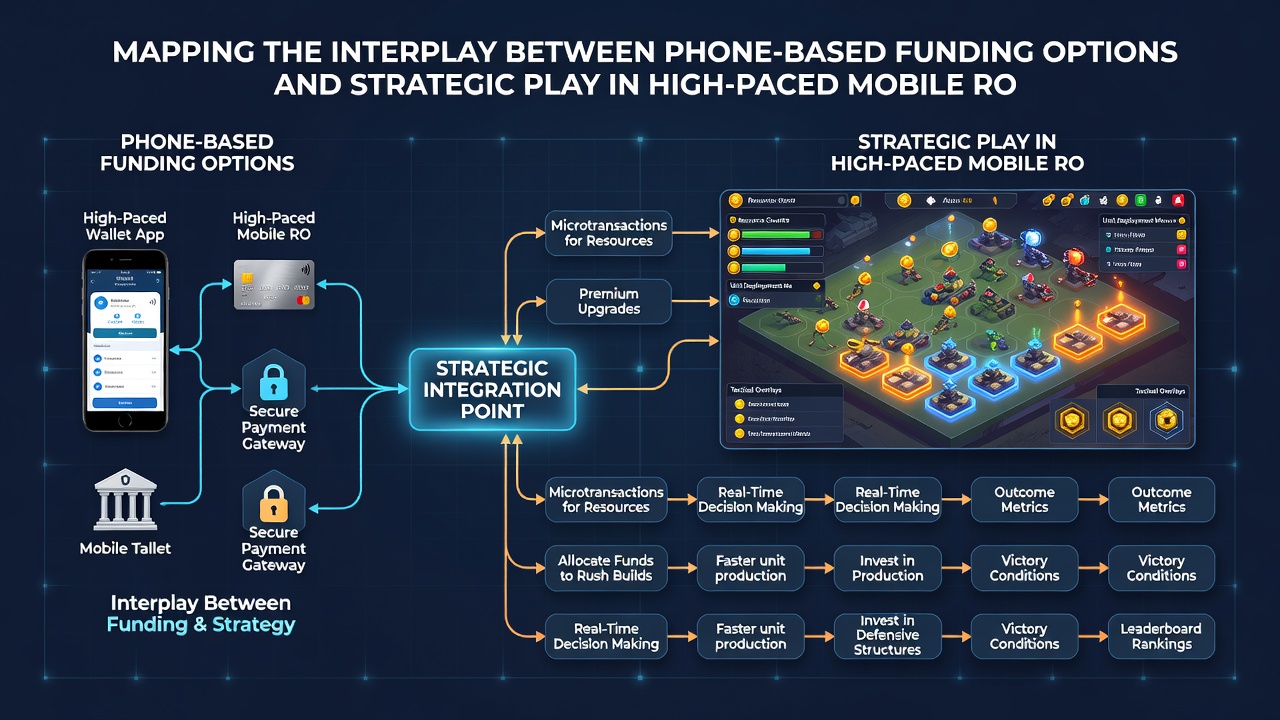
Platform Design Responses and Regulatory Context
Developers have embedded real-time balance displays that update immediately after carrier confirmations, which reduces hesitation between spins and supports the continuous flow required by high-paced formats. Case examples from testing environments show that interfaces now highlight remaining phone-billing headroom alongside the roulette wheel itself, giving players a consolidated view that influences whether they tighten or expand their next wagers.
Regulators in multiple jurisdictions have begun requiring clear disclosure of transaction fees and daily caps at the point of authorization, and these rules take effect incrementally through 2026. Industry reports document that transparent fee structures lead to more predictable deposit patterns, which in turn allow algorithmic table adjustments that maintain consistent game pacing across different funding cohorts.
Observed Patterns Across User Segments
Analysis of anonymized play records reveals distinct clusters: one group uses phone funding exclusively for initial entry and switches to other methods for larger reloads, while another group treats carrier billing as the primary ongoing source. The latter cluster demonstrates higher frequency of even-money bets on red-black or high-low options, which aligns with the need to preserve smaller incremental balances across rapid cycles.
Technical integrations with major carriers have expanded to include push notifications that confirm successful deposits within two seconds, further compressing the decision loop. Those who track player telemetry note that such speed encourages experimentation with neighboring number bets rather than single-number selections, because the cost of incremental wagers remains low relative to session length.
Conclusion
Phone-based funding continues to mesh with the architecture of high-paced mobile roulette through reduced transaction latency and segmented deposit limits that affect real-time choices. Ongoing platform updates scheduled around mid-2026 aim to balance accessibility with clearer controls, while aggregated data sets provide clearer mappings between funding velocity and the tactical decisions players execute at accelerated tables.