Payment Technology Innovations Facilitate Uninterrupted Gaming Sessions Across Mobile Slots and Roulette
Erik Albrecht · Aug 25, 2026
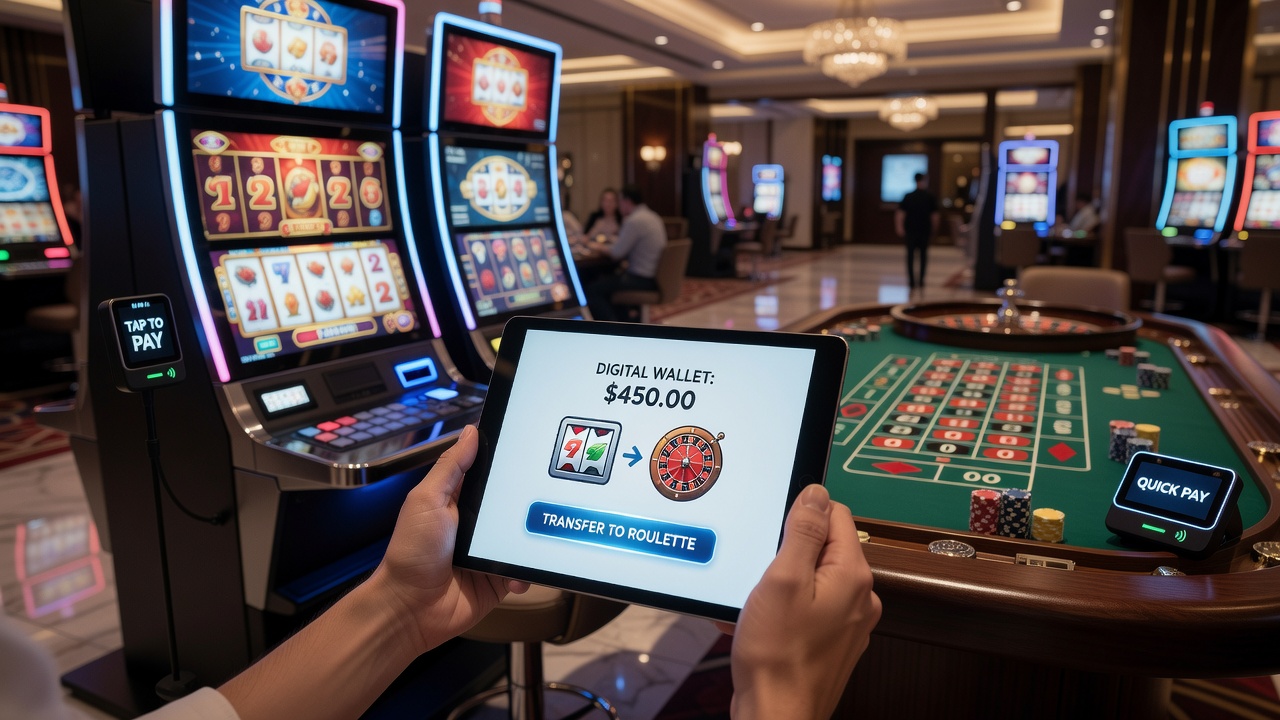
Payment Technology Innovations Facilitate Uninterrupted Gaming Sessions Across Mobile Slots and Roulette
Digital payment systems now support rapid movement between slot machines and roulette tables through portable devices, where unified wallet functions allow balances to transfer without repeated verification steps. Observers note that instant deposit methods and integrated APIs reduce downtime, letting users maintain session continuity while shifting game types on smartphones and tablets. Data from industry reports indicates that these tools handle micro-transactions efficiently, keeping gameplay fluid across different formats.
Core Mechanisms Behind Instant Transfers
Payment gateways process authorizations in seconds through tokenization, where user credentials stay encrypted yet accessible for immediate use in new games. Experts have observed that e-wallet platforms link directly to casino servers, enabling balance updates to reflect across slots and roulette without manual intervention. Studies from research institutions show that such integrations cut average transition times from several minutes to under ten seconds in many applications.
And here is where the technology stands out: unified account structures store funds in a central pool that feeds both reel-based slots and wheel-driven roulette simultaneously. This setup prevents the need for separate deposits, as processors handle real-time deductions and credits during active play. Figures reveal growing adoption rates among operators who prioritize these connections to support longer user engagement periods.
Examples from Portable Platform Deployments
One deployment in North American markets demonstrated how contactless funding options allow players to switch from cluster-pay slots to European roulette variants mid-session. Those who've examined the systems report that API calls between the payment layer and game servers occur automatically, preserving bet histories and promotional balances without interruption. Take cases where users start on mobile slots, then move to live roulette streams, all funded through the same digital token.
What's interesting involves the role of near-field communication in select regions, where physical device taps trigger transfers that align with game interfaces. According to data from the Responsible Gambling Council, portable formats benefit from these features because they reduce friction in environments with variable network conditions. Observers note consistent performance across iOS and Android ecosystems when payment rails incorporate fallback protocols.

Regulatory Context and August 2026 Developments
Standards set to take effect in August 2026 emphasize secure transaction logging for cross-game movements in mobile settings. Government agencies in multiple jurisdictions require operators to maintain audit trails that capture every shift between slots and roulette, ensuring compliance without slowing user flows. Researchers discovered that these rules encourage adoption of standardized payment protocols, which in turn support smoother portable experiences across borders.
But here's the thing: compliance frameworks also address data portability, allowing users to carry verified payment profiles between different casino applications. Industry organizations have documented how this reduces setup times for new sessions, particularly when transitioning from one game category to another. Evidence suggests that operators meeting these benchmarks see higher retention in regions enforcing the updates.
Technical Integration Patterns
Software development kits from payment providers embed directly into casino apps, triggering balance checks whenever a user selects a new game type. Those who've studied the architecture note that asynchronous processing handles roulette bets alongside slot spins without queue buildup. This occurs because the underlying systems prioritize low-latency responses, keeping transitions imperceptible during peak usage.
Take one implementation where multi-game lobbies pull from a single payment engine, letting funds move between high-volatility slots and table games with fixed odds. Data indicates reduced error rates in transaction matching, as reconciliation happens at the server level rather than on the device. People often find that these patterns scale effectively for both casual and extended play periods.
Future Trajectories in Mobile Ecosystems
Emerging protocols focus on biometric verification layered over payment flows, which streamlines access when users alternate between slot sessions and roulette rounds. Academic sources highlight potential expansions into cross-device continuity, where a tablet session picks up exactly where a phone session left off. Such capabilities rely on persistent wallet states that operators maintain through encrypted channels.
Turns out these advancements align with broader shifts toward real-time analytics, where payment data informs game recommendations without exposing sensitive details. External links to reports from the American Gaming Association show increasing emphasis on interoperability standards that benefit portable formats. Observers note steady progress in reducing any residual delays during game switches.
Conclusion
Digital payment innovations continue to underpin seamless movement between slots and roulette in mobile environments through unified processing and instant updates. Evidence from deployments across regions confirms that these tools support sustained play without repeated funding actions. As standards evolve into 2026 and beyond, the infrastructure for fluid transitions remains a central element in portable casino operations.