Mapping Alert Mechanisms That Prolong Mobile Reel Activity in Licensed Digital Platforms
Klara Walter · Aug 23, 2026
Mapping Alert Mechanisms That Prolong Mobile Reel Activity in Licensed Digital Platforms
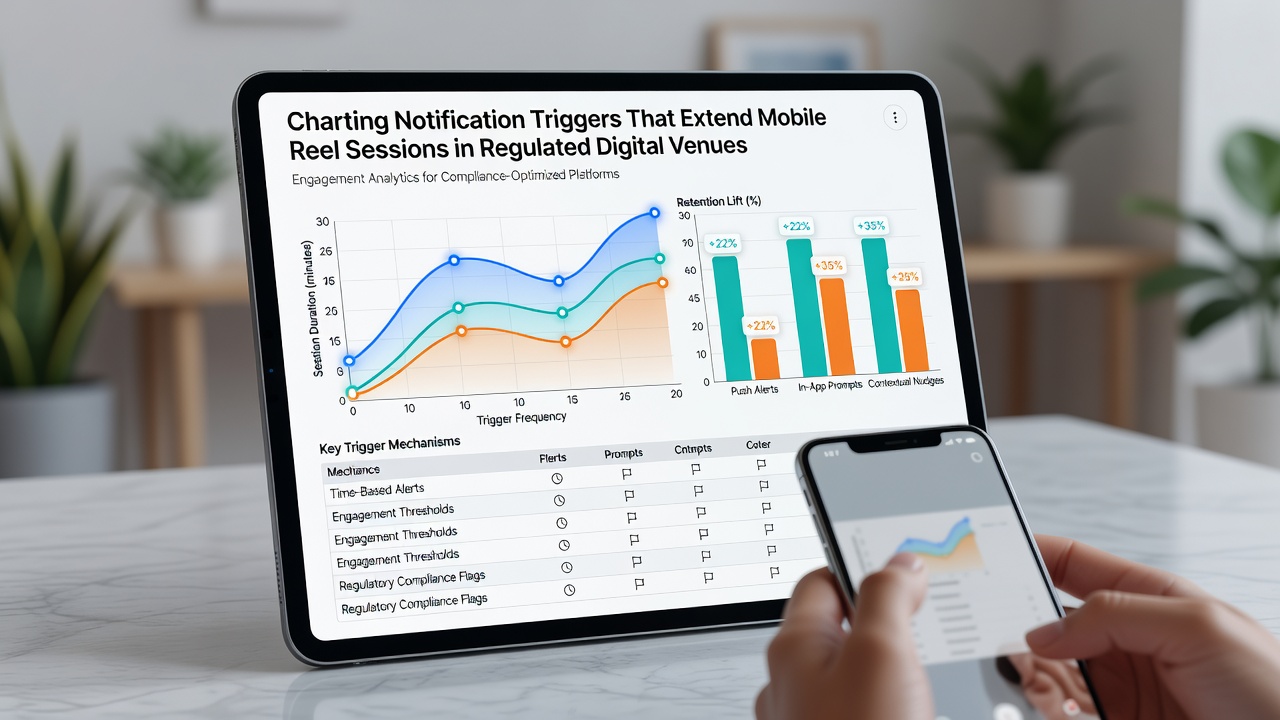
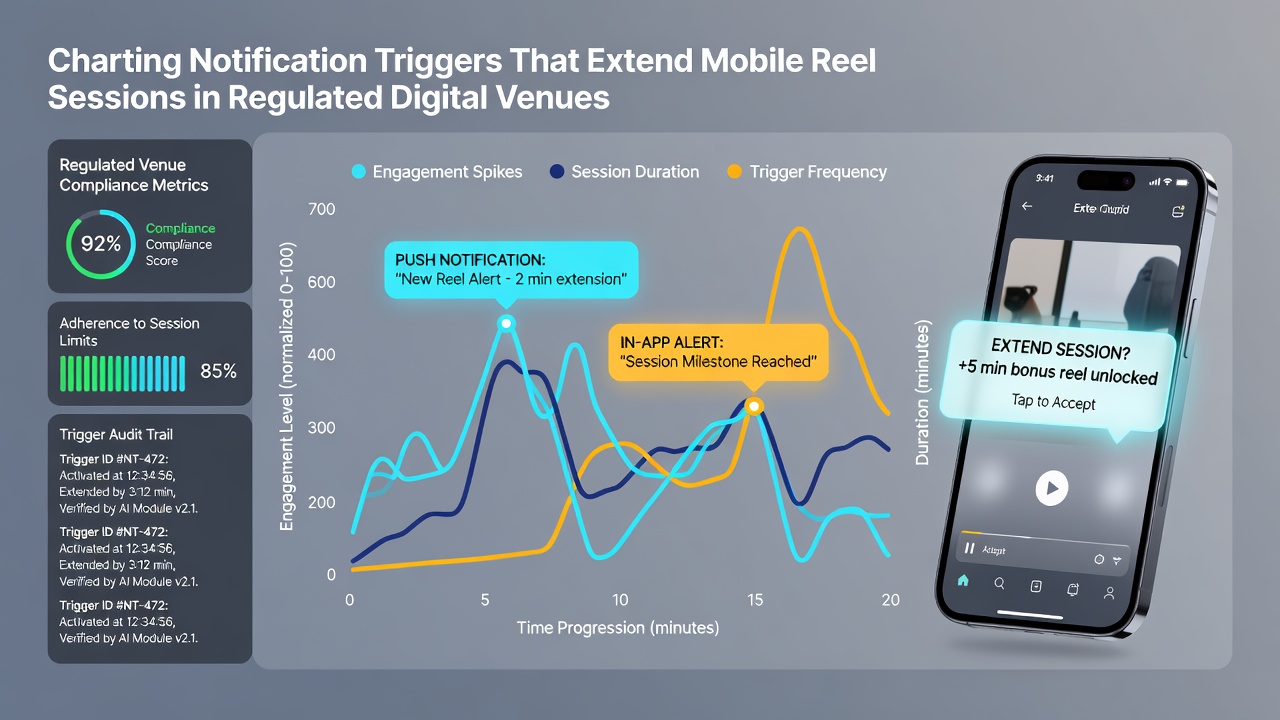
Notification systems in regulated digital venues operate through scheduled alerts, personalized triggers, and real-time updates that prompt users back into mobile reel applications, and these mechanisms have drawn attention from analysts tracking session durations across multiple jurisdictions. Data from platform monitoring tools indicates that push notifications about pending bonuses or streak multipliers often coincide with measurable increases in time spent on reels, particularly when delivered during off-peak hours. Researchers at various academic centers have documented how in-app messages about near-miss outcomes or community jackpots create immediate re-engagement loops, extending average play periods by noticeable margins.
Core Components of Notification Design
Developers structure alerts around specific triggers such as time-based reminders for daily rewards, event-driven prompts following a player's last spin, and behavioral cues derived from prior session patterns, while compliance teams in licensed venues ensure these features align with regional standards for responsible operation. Studies conducted in North American markets reveal that messages highlighting limited-time reel features generate higher open rates than generic updates, and this pattern holds when operators segment audiences by previous activity levels. Observers note that visual elements within notifications, including animated reel symbols or progress bars, further reinforce the call to return, connecting the alert directly to the core gameplay loop.
Data Patterns Across Platforms
Figures compiled by independent analytics firms show session lengths rising when notifications arrive within two hours of a user's departure from the app, and similar results appear in reports examining European and Asian markets where operators deploy comparable systems. One analysis released in mid-2025 highlighted that users receiving three or more targeted alerts per week maintained longer cumulative play times compared with those receiving none, although exact deltas varied by game type and demographic group. Regulatory bodies in Australia and Canada have begun requiring operators to log notification frequency alongside session metrics, creating datasets that allow cross-regional comparisons of how alerts influence behavior over extended periods.
August 2026 marks the scheduled rollout of updated transparency requirements in several North American licensing areas, where operators must disclose notification algorithms to oversight panels, and early filings suggest these disclosures will cover trigger thresholds and personalization variables. Such measures aim to provide clearer records of how alerts connect to extended reel sessions without restricting legitimate engagement tools.
Regulatory Context and Implementation
Licensed venues integrate these notification frameworks within broader responsible gaming protocols, using frequency caps and opt-out options that users can activate directly from the app settings, and data from the National Council on Problem Gambling indicates that clear labeling of alert origins correlates with higher user control rates. In jurisdictions following similar models, operators report that segmented notification schedules, rather than blanket campaigns, produce more predictable session outcomes while maintaining compliance records. Academic reviews from institutions in Scandinavia further demonstrate that combining notification logs with self-exclusion data yields insights into voluntary session limits, helping refine trigger parameters over successive software updates.
Platform audits conducted by third-party testers examine whether alerts respect quiet hours and respect regional time zones, preventing unintended extensions during typical rest periods, and findings from these reviews feed into annual compliance reports submitted to licensing authorities. What's interesting is how machine learning models refine trigger timing based on aggregate user data, adjusting delivery windows to align with historical return patterns while still operating inside predefined regulatory boundaries.
Measurement Approaches and Industry Standards
Analysts employ cohort tracking and A/B testing to quantify the contribution of specific notification types to reel session length, and results shared at industry conferences show that jackpot-related alerts tend to produce the strongest immediate response across tested cohorts. The Australian Gambling Research Centre has published methodology papers outlining standardized metrics for evaluating alert impact, including time-to-return intervals and total spins per session. These approaches allow operators in regulated environments to compare performance across different game categories while documenting adherence to notification guidelines.
Case examples from major platform providers illustrate how iterative adjustments to alert copy and timing reduced average session variance, creating more consistent engagement curves that align with venue reporting requirements. Observers tracking these changes note that integration with loyalty program data often amplifies the effect, as personalized messages referencing accumulated points or tier status draw users back more reliably than generic promotions.
Conclusion
Notification triggers function as structured engagement tools within regulated digital venues, and ongoing data collection efforts continue to map their relationship with mobile reel session durations across diverse markets. As August 2026 approaches, updated disclosure rules will likely expand the available record of how these systems operate, supporting further analysis by researchers and compliance teams alike. The interplay between alert design, user response, and regulatory oversight remains a focal point for platforms seeking to balance operational goals with established standards.