Layered Virtual Reality Systems Enhancing Blackjack Engagement Across Licensed Mobile Applications
Erik Albrecht · Nov 3, 2026
Layered Virtual Reality Systems Enhancing Blackjack Engagement Across Licensed Mobile Applications
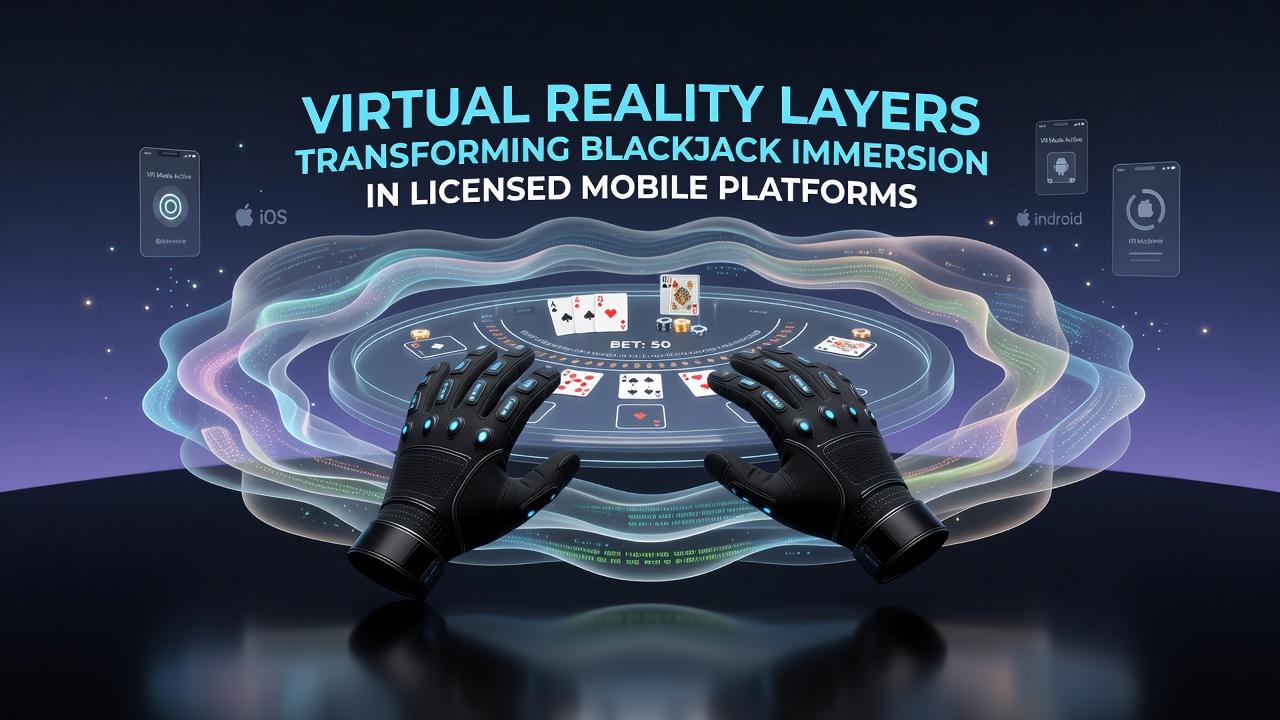
Virtual reality layers have begun integrating with licensed mobile blackjack platforms through augmented overlays that add three-dimensional table environments, animated card movements, and spatial audio cues directly onto standard smartphone screens. These layers operate on top of existing 2D interfaces without requiring dedicated headsets, allowing users to activate immersive modes via device sensors while remaining within regulatory frameworks that govern mobile gaming in multiple jurisdictions.
Developers deploy these systems using frameworks such as Unity and Unreal Engine adapted for mobile ARKit and ARCore compatibility, which permits real-time rendering of virtual dealers and chip stacks that respond to touch and tilt inputs. Licensed operators incorporate these features after obtaining approvals that verify compliance with technical standards for fair play and data security.
Core Components of VR Layer Integration
Platform providers combine several technical elements to create layered experiences, including depth-mapping cameras for hand tracking, procedural generation of casino table layouts, and synchronized multiplayer sessions where participants appear as avatars seated around shared virtual felt. Research from the University of Nevada indicates that these components increase session duration metrics by measurable percentages when tested against conventional mobile interfaces.
Audio layers add directional soundscapes that simulate chip clinks and dealer announcements positioned in three-dimensional space, while haptic feedback through phone vibration motors aligns with card reveals and bet placements. Observers note that integration occurs through API connections to backend random number generators certified by independent testing laboratories.
Regulatory Landscape and Platform Approvals
Licensed mobile operators must submit VR layer modifications for review by bodies such as the Nevada Gaming Control Board, which evaluates software stability and player protection mechanisms before deployment. Similar processes apply in other regions where mobile blackjack receives authorization, ensuring that overlays do not alter underlying game mathematics or introduce unauthorized features.
By November 2026 several operators had completed phased rollouts following updated certification protocols that address spatial computing elements. These updates focus on accessibility options that allow users to disable immersive modes and revert to standard views without interrupting ongoing hands.
Player Interaction Patterns and Data Trends
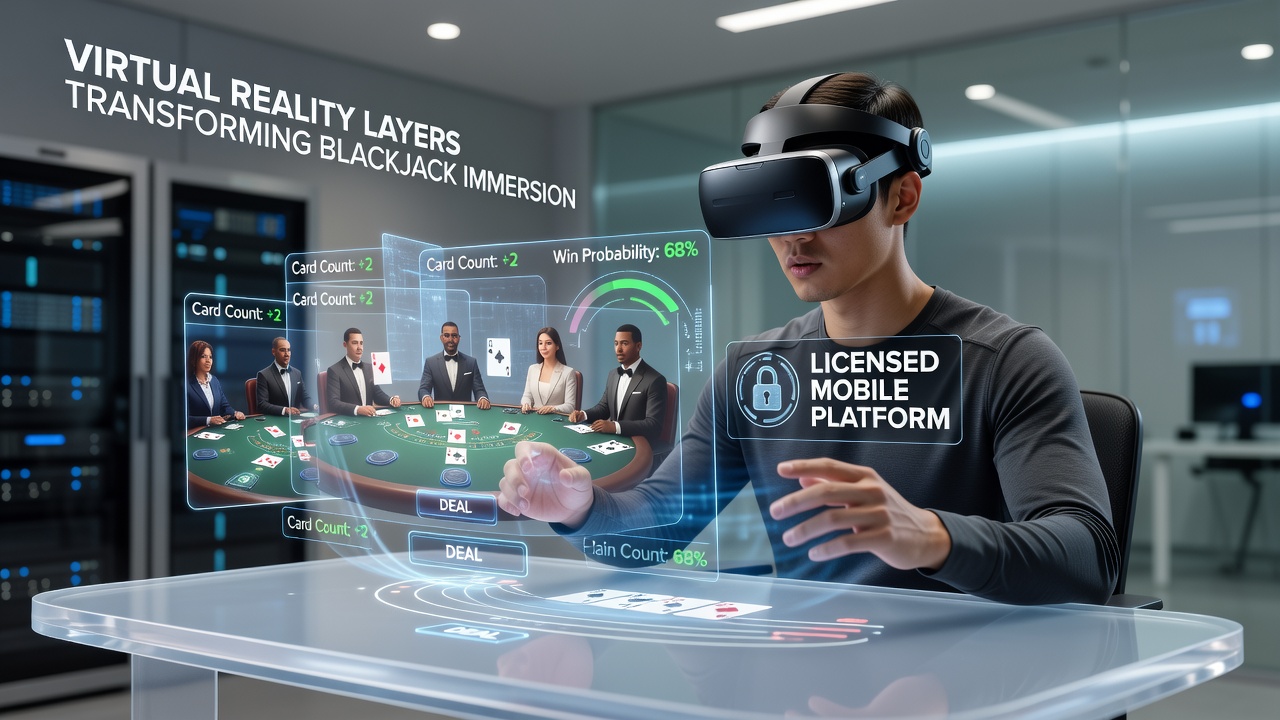
Analytics collected across approved platforms reveal shifts in engagement when VR layers activate, with increased use of side bet options and longer observation periods before decisions. Figures released by the International Association of Gaming Regulators show consistent patterns across tested markets where layered interfaces support both casual and high-volume play styles.
Case examples include operators who introduced optional VR toggles during 2025 beta periods, resulting in documented rises in return visits without corresponding increases in dispute rates. Those who studied these deployments report that seamless transitions between flat and layered views reduce friction for users moving between different device types.
Technical Challenges and Solutions
Mobile hardware variations present obstacles for consistent VR layer performance, prompting developers to implement adaptive rendering that scales detail levels based on processor capabilities and available bandwidth. Solutions include cloud-assisted processing for complex animations and local fallback modes that maintain core blackjack functionality during connectivity interruptions.
Security protocols encrypt positional data and avatar interactions alongside standard account information, while age verification systems remain unchanged by the addition of visual layers. Industry reports highlight ongoing refinements to battery optimization techniques that prevent excessive drain during extended sessions.
Conclusion
Virtual reality layers continue to expand within licensed mobile blackjack environments through measured technical and regulatory pathways. Data from multiple testing authorities demonstrates measurable effects on user interaction while preserving compliance requirements across approved platforms. Future iterations will likely build on current frameworks as hardware capabilities advance and certification processes evolve.