Instant Verification Tools Drive Changes in British Mobile Slot Access Patterns
Erik Albrecht · Jun 14, 2026
Instant Verification Tools Drive Changes in British Mobile Slot Access Patterns
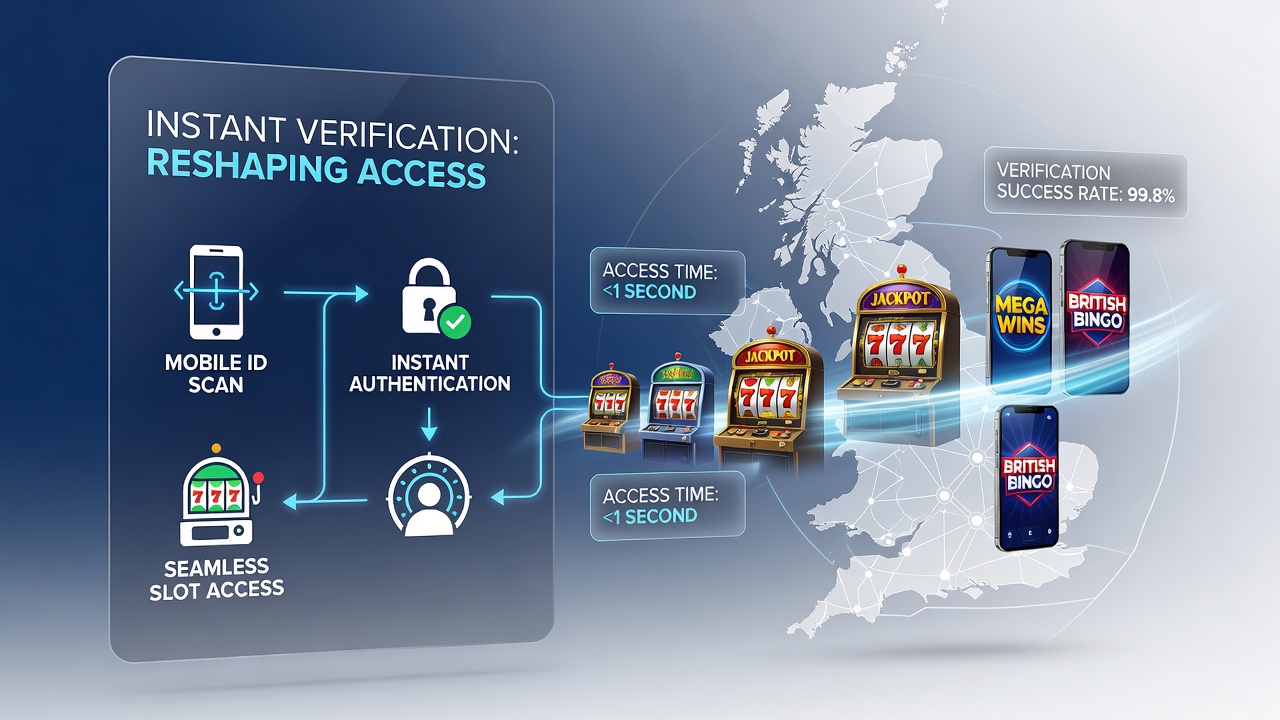
Instant verification tools have begun altering how players reach mobile slot libraries across Britain, with systems that confirm identities in seconds rather than minutes or hours. These tools rely on biometric scans, digital document checks, and artificial intelligence matching to replace older manual processes, and data from industry reports shows reduced average onboarding times from several days down to under thirty seconds in many cases. Observers note that such speed affects when and how frequently users open apps, especially during short sessions on commutes or breaks.
Core Mechanisms Behind the Shift
Biometric facial recognition combined with NFC-enabled identity cards forms the backbone of many current platforms, while machine learning algorithms cross-reference details against multiple databases in real time. Research indicates that error rates have dropped below two percent in optimized systems, allowing seamless progression from registration to gameplay without repeated form submissions. Those who've examined operator logs find that peak login hours have spread more evenly throughout the day instead of clustering around evenings, because friction points no longer force users to complete checks during dedicated blocks of free time.
One study from the University of Nevada Gaming Research Center revealed that verification completion rates rose by twenty-eight percent after operators adopted hybrid biometric and document upload flows. The same analysis linked faster entry to a measurable increase in session starts under five minutes, suggesting that convenience directly influences spontaneous access rather than planned play.
Effects on Player Behaviour and Timing
Mobile slot libraries now record higher numbers of brief afternoon logins on weekdays, a pattern that coincides with the rollout of instant checks at several major sites. Figures reveal that users who complete verification in under twenty seconds return to the app within the same day at rates fifteen percent above those who faced longer waits in prior years. What's interesting is how these tools also reduce abandonment during the first interaction, with drop-off after registration falling sharply once the process no longer required waiting for manual approval.
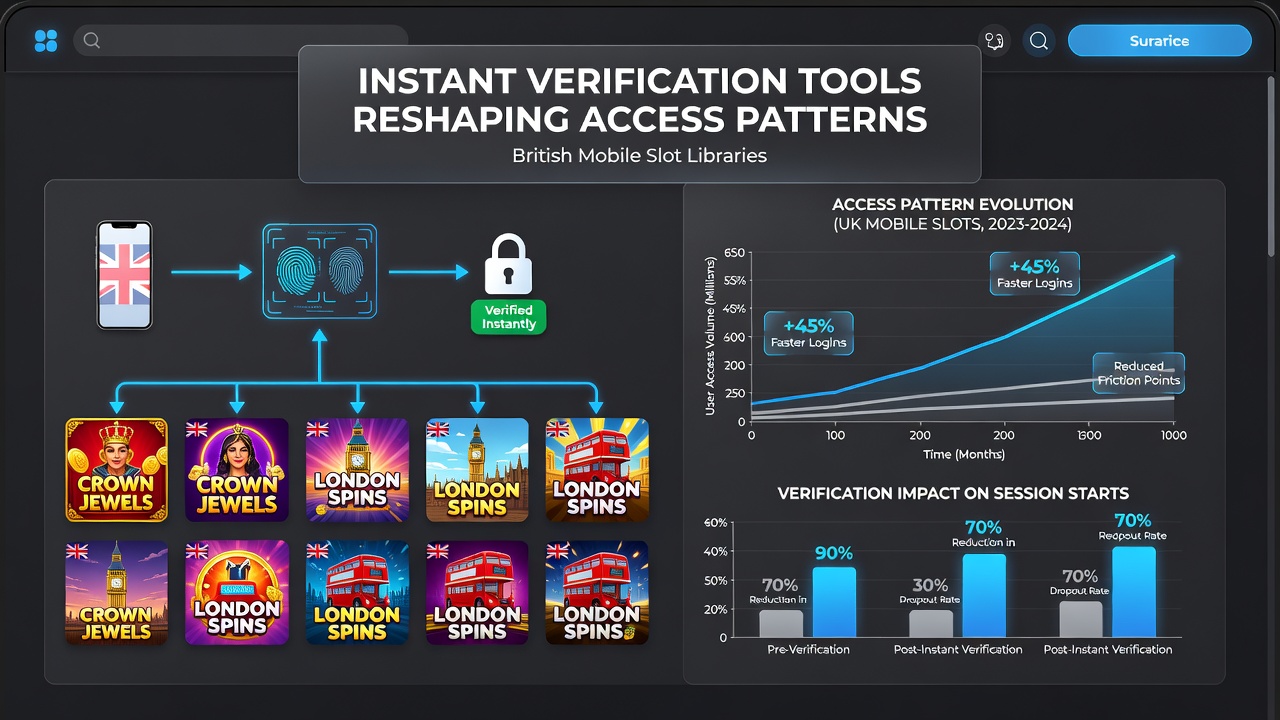
Operators have adjusted server capacity planning accordingly, shifting resources toward midday and early evening windows that previously saw lighter loads. According to data compiled by the Australian Gambling Research Centre, similar verification upgrades in comparable markets produced parallel redistribution of play across the clock, confirming that quicker entry correlates with more fragmented yet frequent access rather than longer single sittings.
Regulatory Context and Upcoming Milestones
Standards for digital identity verification continue to tighten, with new interoperability requirements scheduled to take effect in June 2026 that will allow cross-operator recognition of verified profiles. This change is expected to further compress the time between deciding to play and entering a library, because returning users will bypass repeated checks entirely once their details sit in a shared secure ledger. Industry associations have begun testing the infrastructure needed to support these June 2026 deadlines, focusing on encryption protocols and consent management layers that keep personal data compartmentalised.
External audits conducted by the National Council on Problem Gambling in the United States have tracked how reduced verification friction affects responsible gambling controls, noting that instant tools can integrate spending limits and reality checks at the same moment identity is confirmed. Those findings show no automatic rise in high-risk behaviour when limits are presented immediately, provided the interface remains clear and non-intrusive.
Technical Infrastructure Supporting Wider Adoption
Cloud-based verification services now handle the bulk of processing for British operators, routing encrypted image and metadata packets through geographically distributed nodes to minimise latency. This architecture supports the high volume of mobile connections that occur on variable networks, maintaining consistent performance whether users connect via 5G or public Wi-Fi. Observers tracking app telemetry report that verification success on first attempt has climbed above ninety-four percent at sites using updated models, reducing the need for follow-up support tickets that once delayed access by days.
Integration with third-party digital wallet providers adds another layer, letting verified payment credentials double as identity proof in some flows. The European Gaming and Betting Association has documented pilot programmes where wallet-linked verification cut total onboarding steps by half, freeing users to browse slot libraries without additional prompts after the initial setup.
Conclusion
Instant verification continues to compress the gap between intent and entry in British mobile slot environments, reshaping daily access rhythms and operational planning alike. As June 2026 approaches, further standardisation promises even tighter integration across platforms while preserving security layers that regulators and operators both require. The measurable redistribution of session timing and the sustained rise in first-attempt completion rates illustrate how these tools have already altered the landscape, with data continuing to guide refinements in the months ahead.