Gesture Controls Redefining Roulette Wagering in Licensed Mobile Environments
Katja Griffin · May 29, 2026
Gesture Controls Redefining Roulette Wagering in Licensed Mobile Environments
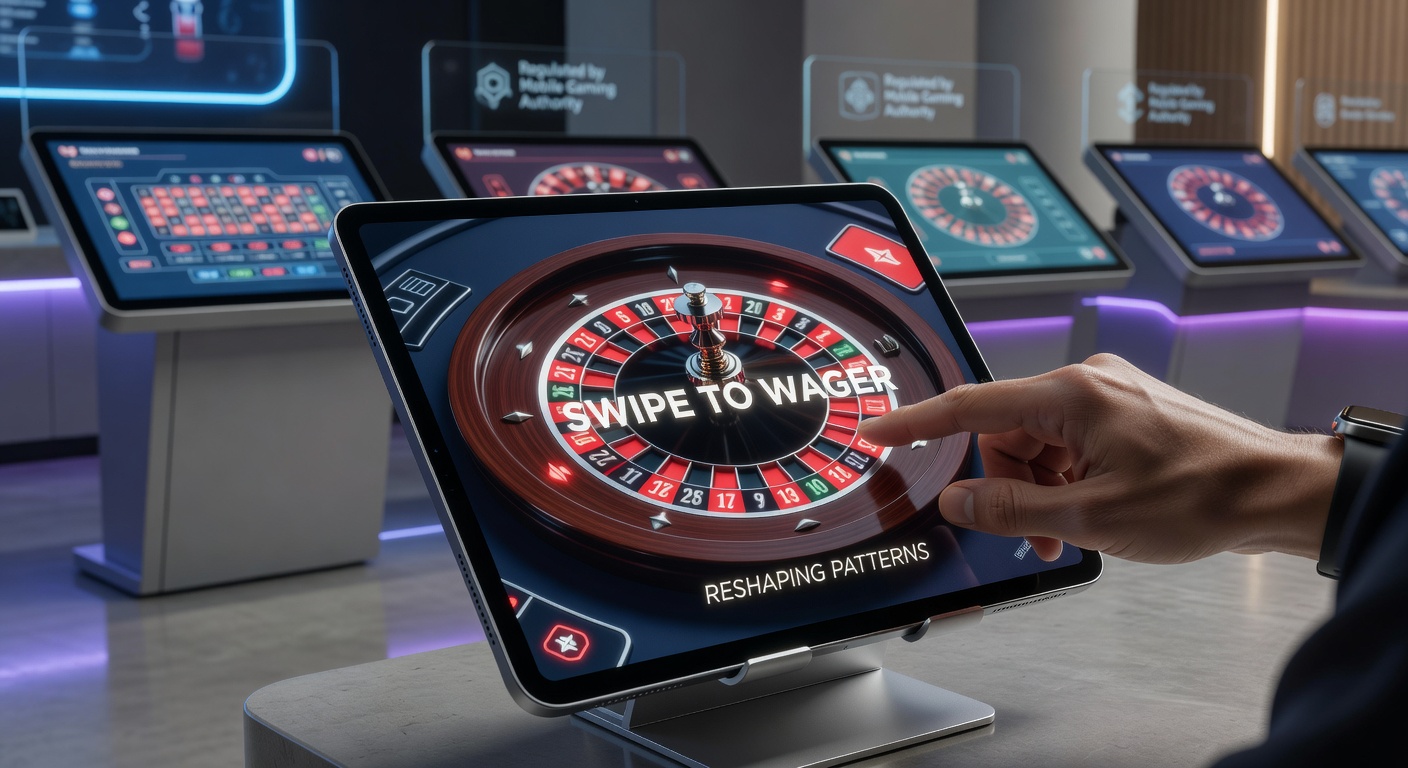
Touchscreen roulette variants have incorporated swipe-based mechanics that allow players to place, adjust, and remove wagers through direct finger movements across the digital wheel and betting layout, and these interactions differ from traditional tap or click methods in several measurable ways.
Researchers at the University of Nevada Reno documented how swipe velocity correlates with bet size selection in European and American roulette formats, noting that faster horizontal swipes often result in larger chip denominations being selected automatically while slower drags enable finer adjustments to stake amounts on individual numbers or outside bets.
Interface Evolution in Mobile Roulette
Developers integrated gesture recognition software into roulette applications to streamline the betting process on smaller screens, and this software detects direction, pressure, and duration of swipes to interpret player intent without requiring multiple menu selections. Data from the New Jersey Division of Gaming Enforcement shows that sessions using swipe controls recorded higher average bets per spin compared to tap-only interfaces during controlled testing periods in early 2025.
Variants such as speed roulette and multi-wheel formats adopted these controls earlier than standard versions, since rapid wager changes become necessary when the wheel spins at accelerated intervals, and swipe gestures reduce the time between decisions by allowing players to modify stakes mid-round in some implementations.
Observed Changes in Wager Patterns
Studies indicate that players shift toward more frequent small adjustments when swipe functions support them, whereas older tap systems encouraged larger, less frequent bets due to the added steps involved in menu navigation. One analysis covering multiple regulated platforms found that inside bets increased by noticeable margins once swipe-to-place features became standard, because users could drag chips directly onto the layout with greater precision than point-and-tap alternatives permitted.
Regulated mobile hubs in various jurisdictions track these patterns through anonymized session logs, and the resulting datasets reveal that combination bets involving multiple numbers see elevated usage rates under gesture controls, while straight-up bets remain relatively stable across interface types.
Regulatory Monitoring and Data Trends
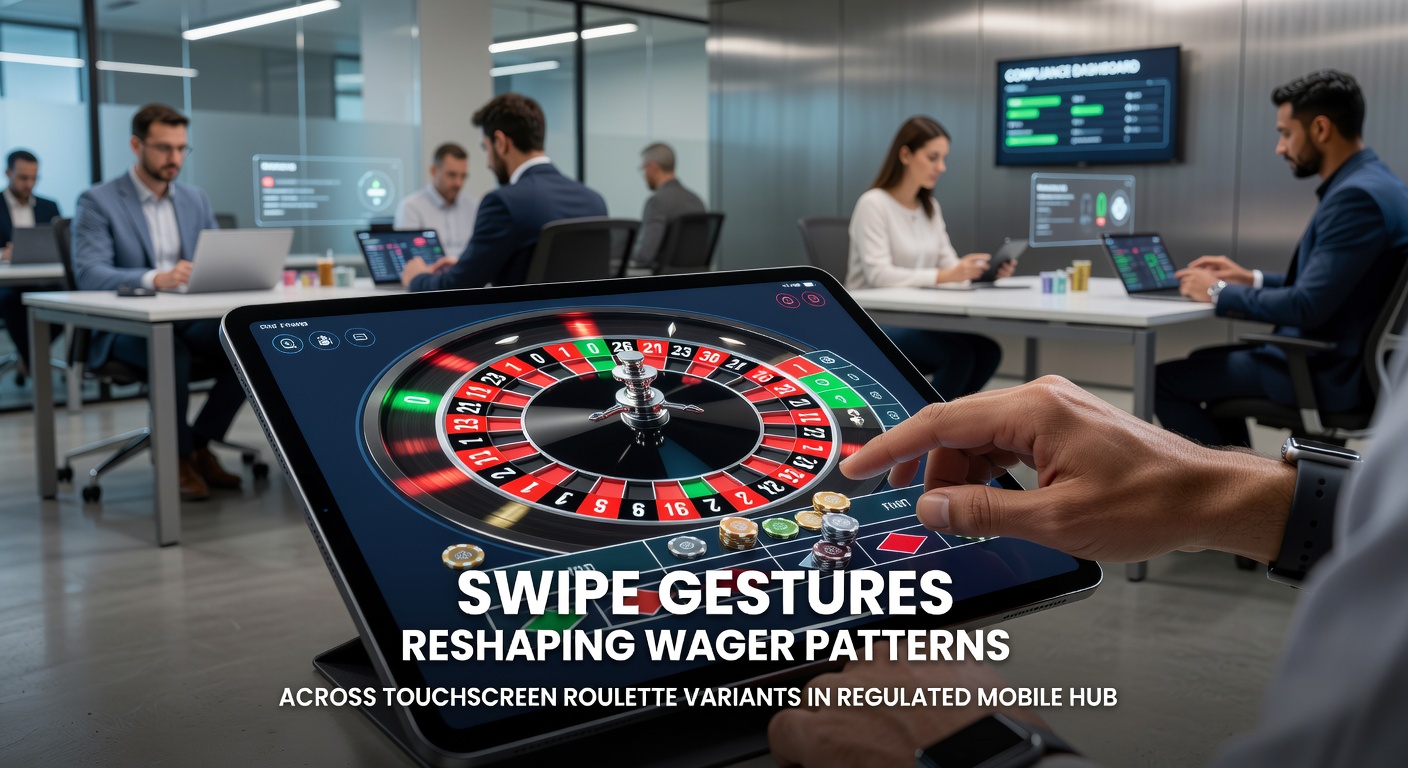
Authorities in Ontario and several Australian states require operators to log interface interaction metrics alongside standard transaction data, which enables comparisons of wager behavior across different control schemes. In May 2026, reports from the Ontario Lottery and Gaming Corporation highlighted a continued rise in swipe-driven sessions, with average session duration extending when gesture options remained available throughout the round.
These metrics help regulators assess whether interface designs influence responsible play indicators, and the information feeds into broader reviews of game fairness and player protection measures without singling out any single operator.
Technical Implementation Across Variants
American roulette applications often map vertical swipes to color or column bet selections, whereas European versions more commonly associate diagonal movements with neighbor bets around the wheel, and developers calibrate sensitivity settings to match regional player preferences documented in market research. Touch pressure sensitivity adds another layer in some variants, allowing heavier presses to confirm high-stakes wagers while lighter touches preview potential outcomes before commitment.
Cross-platform testing conducted by independent labs confirms that gesture accuracy remains consistent across device models when software updates account for screen size variations and operating system differences, and this consistency supports broader deployment in licensed environments.
Player Adaptation and Platform Responses
Observers note that users accustomed to swipe navigation in other mobile applications transfer those habits quickly to roulette interfaces, which reduces the learning curve for new participants. Platforms respond by offering optional tutorials that demonstrate gesture shortcuts, and completion rates for these tutorials correlate with higher retention in swipe-enabled game modes according to aggregated operator reports.
Industry groups such as the European Gaming and Betting Association compile anonymized findings from member operators to identify best practices for gesture integration, ensuring that controls remain accessible while maintaining clear audit trails for regulatory compliance.
Conclusion
Swipe gestures continue to integrate into touchscreen roulette variants across regulated mobile hubs as operators refine controls based on performance data and compliance requirements. The resulting shifts in wager patterns appear in session logs from multiple jurisdictions, and ongoing monitoring supports further refinements to interface design. These developments reflect broader adoption of touch-based interaction standards that align with player expectations in portable gaming environments.