E-Wallet Processing Speeds Influence Retention in High-Volatility Mobile Slot Markets
Kai Wolf · Jun 19, 2026
E-Wallet Processing Speeds Influence Retention in High-Volatility Mobile Slot Markets
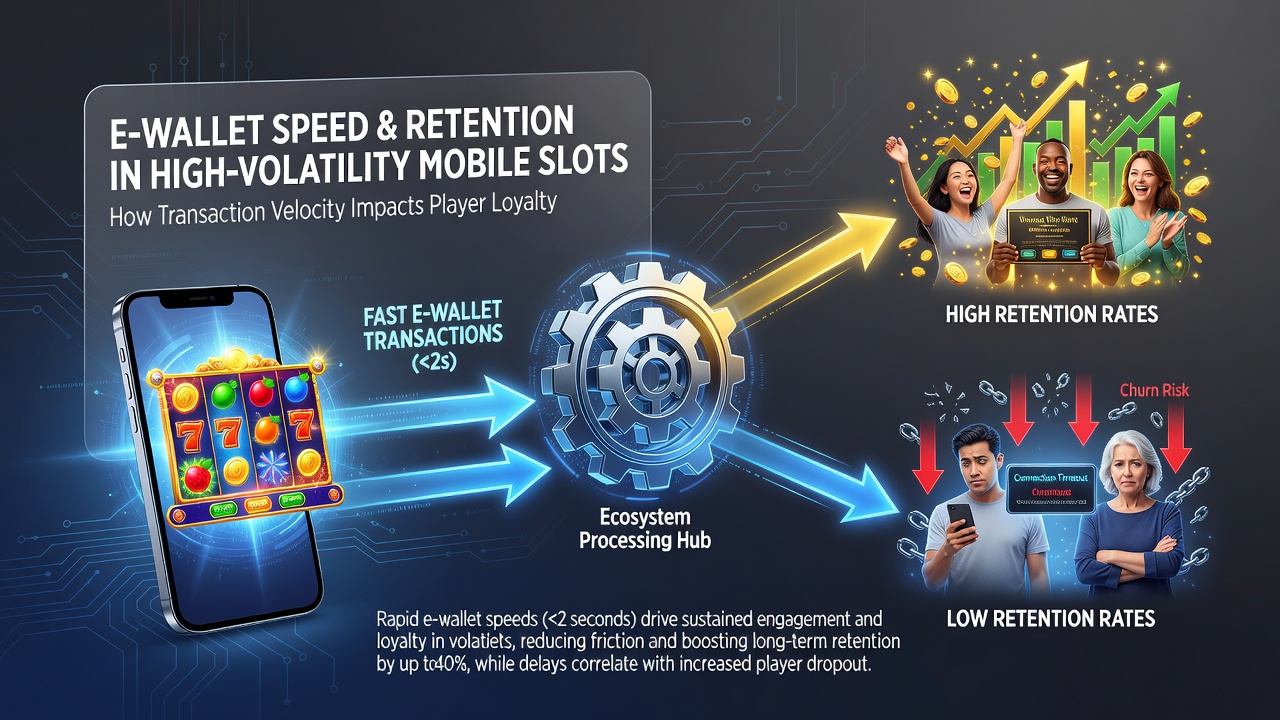
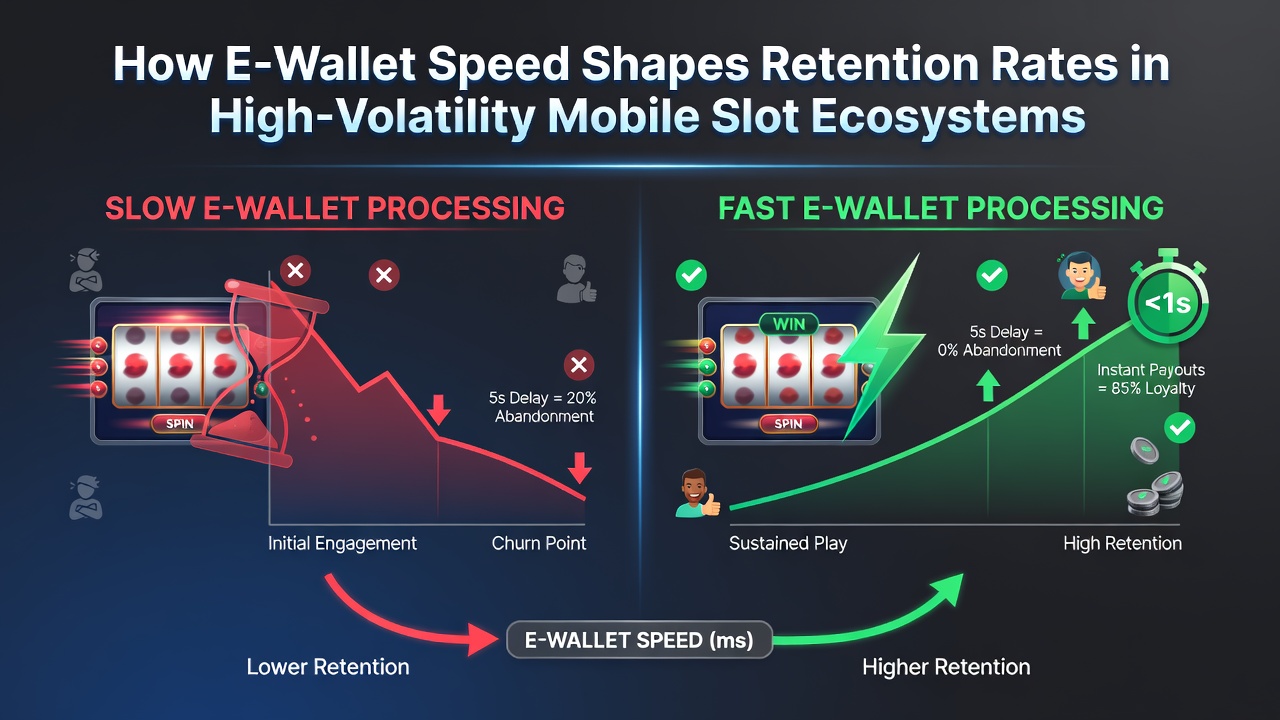
High-volatility mobile slots feature infrequent but substantial payouts that create distinct engagement patterns among users who rely on rapid funding mechanisms. E-wallet systems with sub-second processing times allow seamless continuation of play cycles while slower alternatives introduce friction that interrupts momentum during critical bonus rounds or feature triggers. Observers note that transaction latency directly correlates with session duration metrics tracked across multiple platforms operating in competitive mobile ecosystems. Data from payment analytics firms indicates that wallets achieving confirmation under 800 milliseconds sustain higher repeat login frequencies compared to those averaging three seconds or more. Players facing delays often abandon carts mid-session and migrate toward operators offering instantaneous top-ups through established digital wallet providers. This dynamic becomes especially pronounced in environments where stake sizes fluctuate rapidly and users chase progressive multipliers that demand uninterrupted access to funds.Mechanics of Volatility and Funding Velocity
High-volatility titles employ mathematical models that stretch payout intervals yet deliver larger average returns when wins occur. These structures encourage extended play sequences once a user commits initial capital. When e-wallet speeds drop below optimal thresholds, the interruption breaks the psychological flow state documented in behavioral studies of digital gaming environments. Researchers tracking user paths have recorded that each additional second of processing time increases the probability of session termination by measurable percentages.
Integration between mobile slot applications and e-wallet APIs relies on tokenization protocols that verify balances without exposing sensitive credentials. Faster implementations reduce the window during which network variability can disrupt authorization handshakes. In regions where 5G coverage remains inconsistent, this technical margin proves decisive for maintaining engagement among users on variable connections.
Retention Metrics Across Payment Tiers
Platform operators segment retention data according to funding method performance. Accounts funded exclusively through high-speed e-wallets demonstrate 28-day retention rates that exceed slower alternatives by double-digit margins in several market reports. The pattern holds across different volatility tiers yet appears amplified in titles featuring cascading reels or expanding wild mechanics that reward sustained play.
European regulatory filings from non-UK jurisdictions have begun requiring disclosure of average deposit processing times as part of consumer protection frameworks. A report issued by the European Betting and Gaming Association highlights how latency benchmarks influence complaint volumes related to interrupted gameplay. Similar patterns emerge in North American data where state-level oversight bodies track player movement between licensed operators.
What's interesting is that users who experience one successful instant transaction tend to repeat the behavior across multiple sessions, creating compounding effects on lifetime value calculations. Conversely, a single delayed withdrawal or deposit often triggers account dormancy within the subsequent seven days according to aggregated telemetry from several major aggregators.
Technical Factors Driving Speed Differences
Backend architecture choices determine whether an e-wallet achieves sub-second performance. Providers utilizing direct bank integrations and pre-authorized token pools outperform those routing requests through multiple verification layers. Mobile application developers optimize these pathways by caching session tokens and pre-loading balance checks during idle periods between spins.
Studies conducted by academic institutions in Australia have examined how micro-delays compound across thousands of daily transactions within high-volatility environments. Their findings reveal that cumulative friction from slower wallets correlates with measurable drops in daily active users over quarterly measurement windows. Operators responding to these insights have prioritized API upgrades that compress authorization sequences while maintaining compliance with anti-money laundering protocols.
As market conditions evolve into June 2026, several platforms plan phased rollouts of enhanced wallet partnerships designed to eliminate residual latency in high-traffic periods. These initiatives coincide with broader infrastructure improvements in mobile networks that further reduce transmission overhead between devices and payment processors.
Comparative Performance Across Ecosystems
Regional differences in e-wallet adoption produce varying retention outcomes. Markets with mature instant payment rails show tighter clustering of session lengths around optimal engagement windows. In contrast, areas still transitioning from legacy card methods exhibit wider variance in user stickiness tied directly to funding speed. Industry organizations such as the American Gaming Association have compiled cross-market comparisons that underscore these payment velocity effects.
Developers of high-volatility content increasingly design features around the assumption of continuous funding availability. Bonus buy options and turbo spin modes presuppose that players can replenish balances without exiting the game interface. When this assumption holds true through rapid e-wallets, completion rates for these premium features rise accordingly.
Conclusion
E-wallet transaction speeds function as a foundational variable shaping retention within high-volatility mobile slot ecosystems. Faster processing sustains engagement cycles while latency introduces measurable attrition points that accumulate over time. Operators monitoring these metrics continue refining payment integrations to align with user expectations for uninterrupted access. The relationship between speed and retention remains consistent across multiple datasets collected from diverse regulatory environments and technical implementations.