Cryptocurrency Adoption Patterns Fueling Live Dealer Sessions Across Markets
Klara Walter · Jun 9, 2026

Cryptocurrency Adoption Patterns Fueling Live Dealer Sessions Across Markets
Data from multiple regions shows rising use of digital currencies for funding live dealer experiences, and patterns emerge around transaction speed along with integration ease. Observers note that Bitcoin and Ethereum remain common choices while stablecoins gain traction for their price stability during extended sessions at virtual tables.
Studies indicate players often select crypto options because deposits reach accounts within minutes compared to traditional banking delays that stretch into days. This speed matters particularly for live dealer formats where games like blackjack and roulette run continuously, and participants want immediate access without waiting periods that disrupt flow.
Regional Variations in Funding Methods
North American markets display distinct trends according to reports from regulatory bodies such as the Financial Crimes Enforcement Network, where crypto funding pairs with licensed platforms that offer real-time video streams. European data reveals similar upticks although frameworks differ by country, and Asia-Pacific regions show accelerated adoption tied to mobile infrastructure improvements that support seamless wallet connections.
Researchers tracking these shifts found that in areas with established digital payment cultures, live dealer funding via cryptocurrency reaches higher percentages of total transactions. One analysis highlighted how users in urban centers combine crypto deposits with loyalty programs that reward frequent activity at dealer tables, creating feedback loops that reinforce usage patterns over time.
Technical Drivers Behind the Shift
Blockchain networks enable features like smart contracts that automate bonus releases once certain play thresholds get met, and this automation appeals to those managing live dealer bankrolls. Security protocols built into major cryptocurrencies reduce chargeback risks for operators while providing users with transparent ledger records of every deposit and withdrawal tied to sessions.
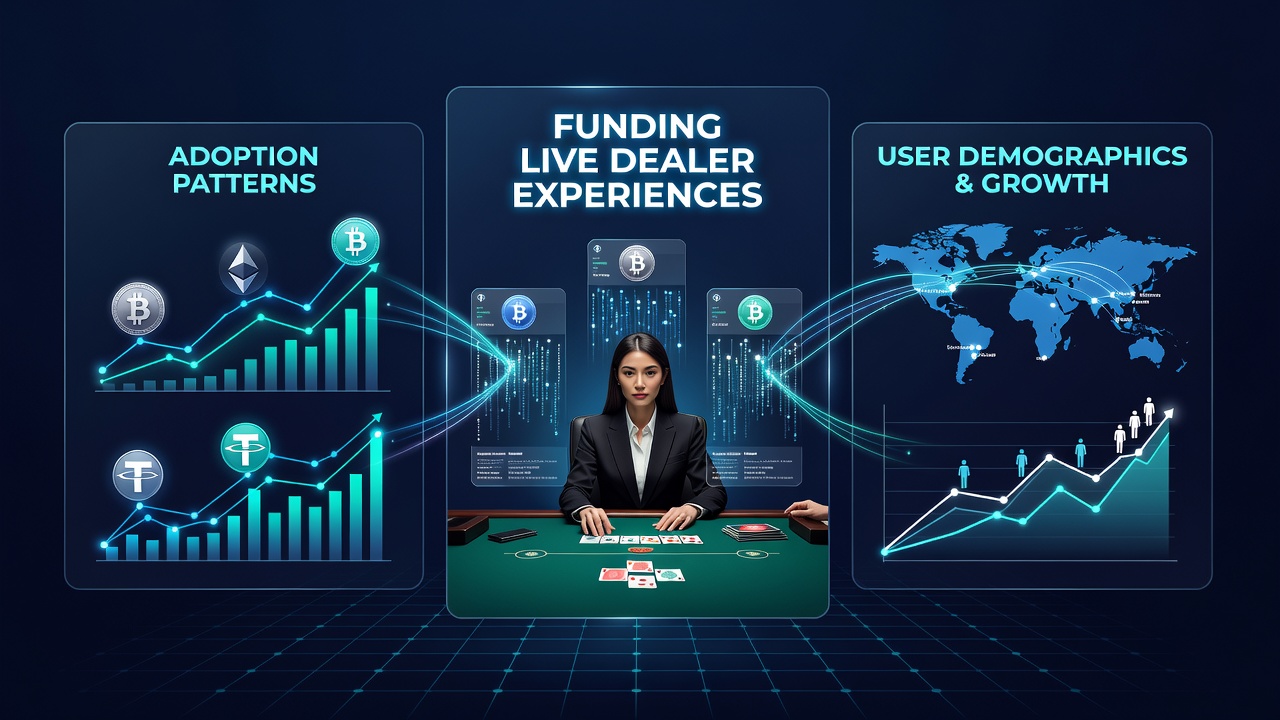
Wallet providers have introduced direct integrations that let players fund accounts mid-session without leaving the gaming window, and this convenience contributes to longer engagement times documented in platform analytics. Data shows that sessions funded through crypto often extend beyond those using card payments, particularly when stablecoins shield participants from volatility during high-stakes rounds.
Regulatory Developments and Future Timelines
Industry organizations such as the International Association of Gaming Regulators monitor how different jurisdictions adapt rules around crypto in gaming contexts. Upcoming adjustments scheduled for June 2026 in select markets aim to standardize reporting requirements for digital asset transactions while maintaining player access to live dealer environments.
These changes build on existing frameworks from bodies like the Australian Transaction Reports and Analysis Centre, where emphasis falls on compliance without restricting funding variety. Patterns suggest operators prepare by expanding supported currencies ahead of deadlines, and this preparation aligns with observed growth in live dealer offerings that accept crypto natively.
Academic papers examining transaction datasets reveal correlations between crypto adoption rates and the availability of live dealer variants on mobile apps. Where platforms added crypto support earlier, usage climbed steadily rather than spiking, indicating sustained preference rather than temporary interest driven by promotions alone.
Player Behavior and Platform Responses
Those tracking user habits note that crypto funding often pairs with multi-table play in live dealer settings because instant reloads eliminate downtime between tables. Platform operators respond by highlighting these options in account dashboards, and analytics indicate higher retention among users who start with digital currency deposits compared to other methods.
Examples from Canadian provincial reports demonstrate how crypto volume for gaming increased alongside broader digital finance adoption, and similar trajectories appear in other regulated territories. The ball remains in developers' court to refine interfaces that make switching between fiat and crypto funding intuitive during active dealer interactions.
Conclusion
Patterns in cryptocurrency adoption for funding live dealer experiences continue to evolve based on technological, regulatory, and behavioral factors across global markets. Evidence from transaction records and platform metrics points to steady integration that supports uninterrupted access to real-time gaming, with timelines like June 2026 marking potential standardization points in multiple regions. Observers expect further refinement as networks mature and compliance tools advance.