Certification Standards and RNG Integrity in Worldwide Multi-Provider Slot Systems
Klara Walter · Aug 23, 2026
Certification Standards and RNG Integrity in Worldwide Multi-Provider Slot Systems
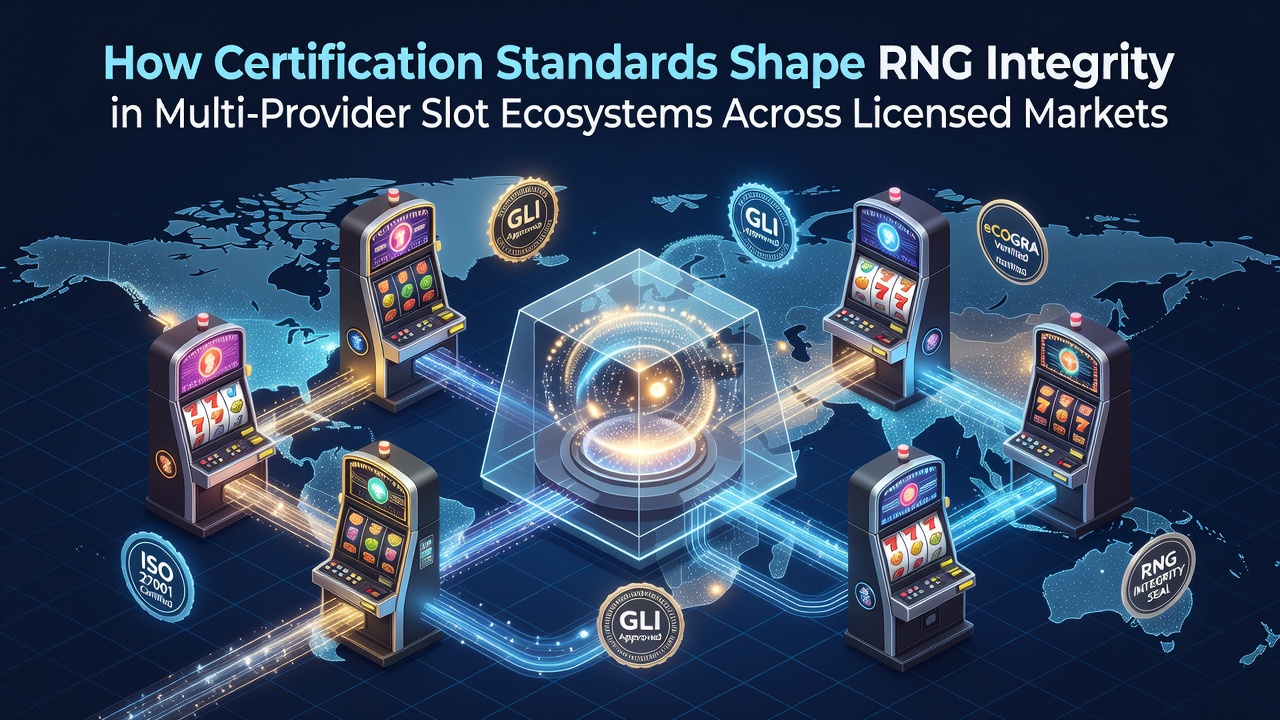
Certification standards establish the foundation for random number generator integrity across multi-provider slot ecosystems in licensed markets, where operators integrate games from numerous developers into single platforms, and independent testing ensures each RNG component meets jurisdictional requirements before deployment.
Core Testing Protocols for Random Number Generators
Independent laboratories evaluate RNG algorithms through statistical analysis that covers millions of outcomes, checking for uniformity, unpredictability, and absence of patterns while confirming compliance with specific regulations in each jurisdiction. These evaluations occur at both initial certification and periodic retesting stages, with labs examining source code, hardware implementations, and integration points where multiple providers feed results into a shared casino system.
Data from regulatory filings shows that certified RNGs undergo revalidation every 6 to 12 months depending on the market, and this schedule helps maintain ongoing integrity when new slot titles from additional developers join an existing platform. Observers note that the process catches discrepancies early, particularly when a new provider's RNG must interface with an operator's central server that already hosts games from several other suppliers.
Integration Challenges in Multi-Vendor Environments
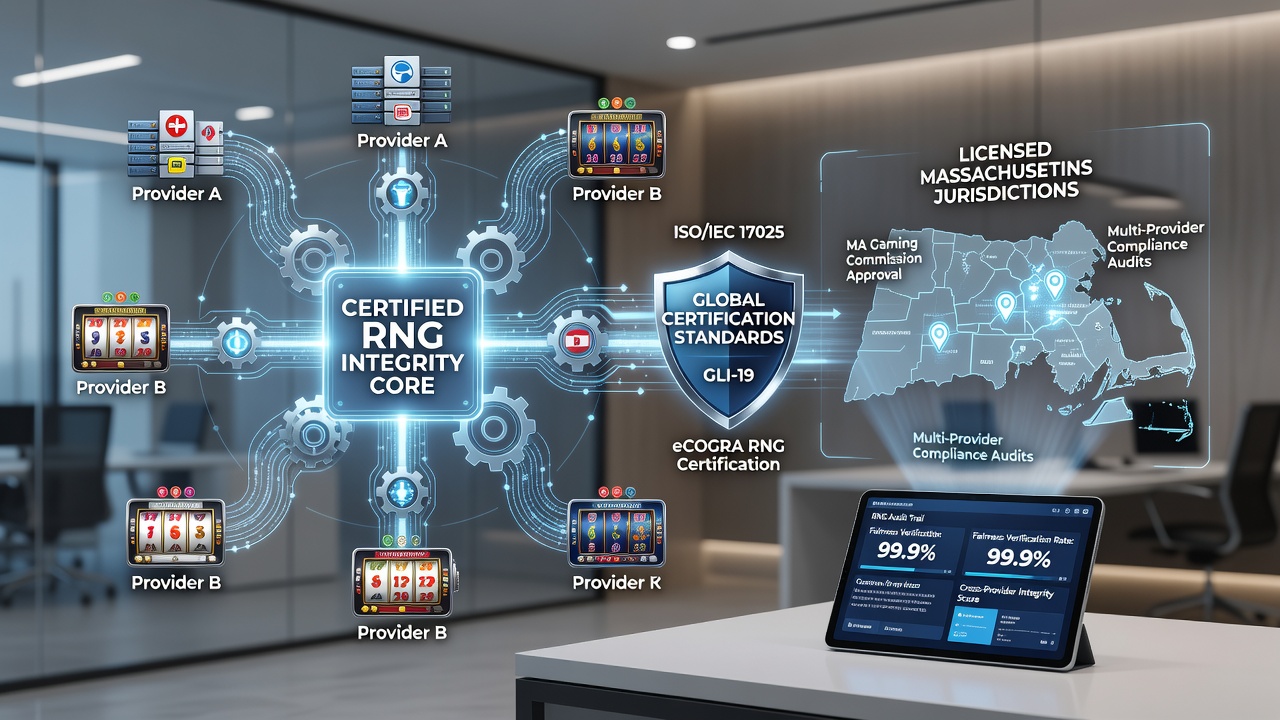
Multi-provider ecosystems create specific technical demands because each developer's RNG must operate independently yet deliver results through a unified player interface without introducing bias or synchronization issues. Certification bodies address these demands by requiring operators to demonstrate that aggregation layers preserve the statistical properties of every individual RNG, and testing includes simulated high-volume play sessions that replicate real-world conditions across thousands of concurrent users.
Researchers at institutions studying gaming technology have documented cases where uncertified integration points led to detectable correlations between game outcomes, prompting stricter rules on middleware validation. In response, many licensed markets now mandate that operators submit detailed architecture diagrams alongside RNG test reports, allowing regulators to verify that no single point of failure can compromise multiple providers simultaneously.
Regional Variations in Certification Requirements
Licensed markets apply distinct certification frameworks that reflect local priorities while sharing core principles around statistical fairness and transparency. The Nevada Gaming Control Board, for instance, requires RNG submissions to include both software and hardware entropy sources, whereas other jurisdictions focus more heavily on software-only solutions that meet equivalent statistical thresholds. These differences affect how providers prepare titles for cross-border deployment, since a game certified in one region often needs supplemental testing before launch elsewhere.
According to reports from the Pennsylvania Gaming Control Board, multi-provider platforms undergo additional scrutiny during certification to confirm that RNG outputs remain isolated even when promotional features or shared progressive jackpots span titles from different developers. Similar approaches appear in Canadian provincial frameworks and Australian state regulations, where emphasis falls on audit trails that track every RNG call back to its certified source.
Evolving Standards and 2026 Implementation Dates
Updates scheduled for August 2026 in several international markets introduce enhanced requirements for continuous RNG monitoring and real-time anomaly detection within live casino environments. These changes respond to increased use of cloud-based delivery models that allow rapid addition of new providers, and certification labs have begun developing protocols that test dynamic scaling without compromising statistical integrity.
Industry groups such as the International Association of Gaming Regulators have published guidance on these forthcoming standards, noting that operators must demonstrate logging capabilities capable of recording RNG sequences at millisecond resolution during peak traffic periods. The updates also address emerging concerns around quantum-resistant algorithms, although current certified RNGs continue to rely on established cryptographic methods until broader adoption occurs.
Conclusion
Certification standards continue to shape RNG integrity by enforcing consistent testing across diverse provider networks and regulatory landscapes, and the upcoming 2026 enhancements will further strengthen verification processes in multi-provider slot ecosystems. Operators that maintain up-to-date certifications across jurisdictions position their platforms to meet both current and future compliance expectations while preserving player confidence in outcome fairness.