Certification Bodies Driving RNG Integrity for Multiplier Mechanics in British Mobile Slots
Alex Richter · Jun 23, 2026
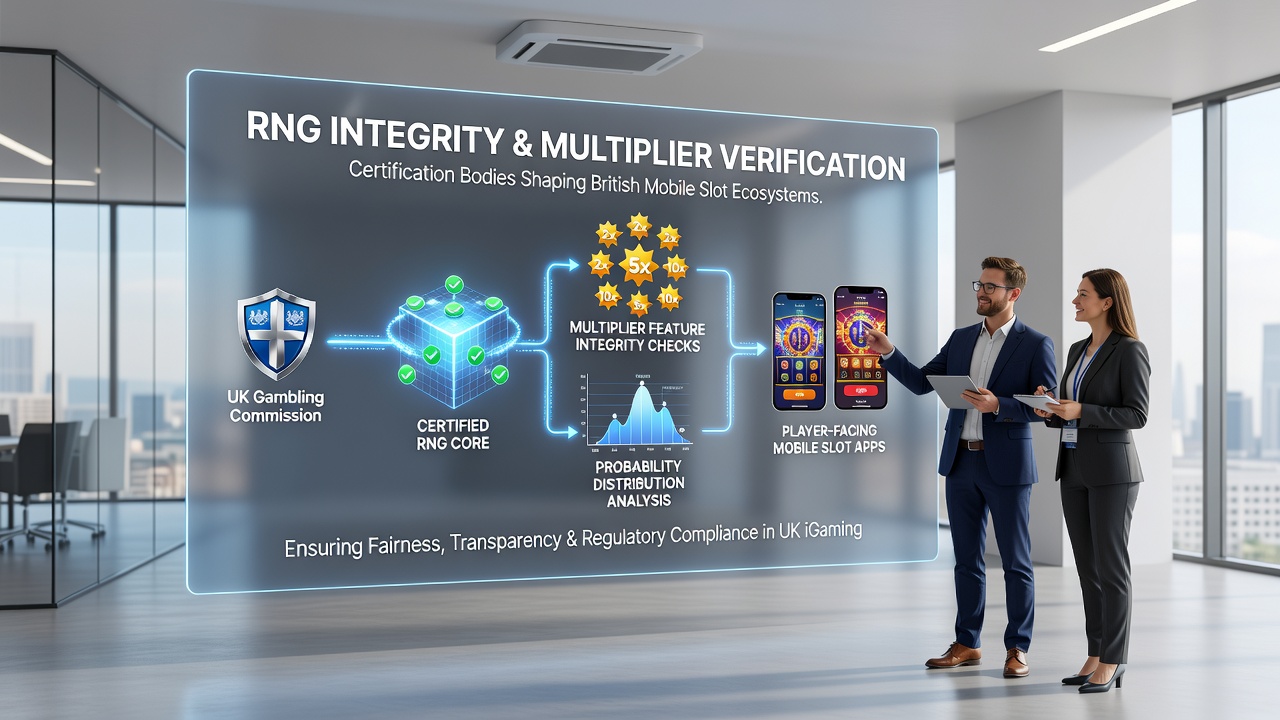
Certification Bodies Driving RNG Integrity for Multiplier Mechanics in British Mobile Slots
Certification bodies play a central role in verifying random number generator systems that power multiplier features across mobile slot games offered in Britain, and these organizations apply layered testing protocols to confirm statistical integrity before any title reaches operators or players. Independent laboratories conduct extensive evaluations that examine seed generation, distribution uniformity, and long-term cycle behavior, while paying particular attention to how multipliers interact with base game mathematics to alter return-to-player calculations over millions of simulated spins.
Core Testing Protocols Applied to Multiplier RNG Systems
Testing laboratories employ chi-square analysis, serial correlation checks, and diehard battery suites to validate that multiplier triggers remain unpredictable and evenly distributed, even when features activate stacked or cascading sequences that multiply base wins by factors ranging from two times to several hundred times. These evaluations extend beyond standard RNG output by incorporating multiplier-specific stress tests that monitor whether certain seed states produce disproportionate activation patterns during extended play sessions on mobile devices.
Engineers at certification facilities also review source code for the multiplier logic itself, confirming that random values feed directly into feature selection without external interference or predictable loops, and this process typically requires several weeks of continuous simulation across multiple hardware platforms that mirror the Android and iOS environments used by British players. Data logs from these sessions feed into detailed reports that operators must retain for regulatory audits.
Adaptations for Mobile Ecosystems and Real-Time Verification
Mobile slot platforms introduce additional variables such as variable network latency and device-specific processing speeds, so certification bodies incorporate live environment testing that measures whether RNG calls maintain integrity when players switch between Wi-Fi and cellular connections mid-session. Multiplier features receive extra scrutiny here because any delay in random value retrieval could theoretically create timing patterns that sophisticated monitoring tools might detect.
Observers note that laboratories now require operators to submit updated builds whenever multiplier mechanics receive even minor adjustments, such as changes to trigger probabilities or new animation sequences that coincide with win calculations. This requirement ensures ongoing compliance without waiting for full recertification cycles that previously stretched across calendar quarters.
June 2026 Standards Update and Its Implications
Beginning in June 2026, several certification frameworks will introduce enhanced requirements for entropy source validation on mobile hardware, particularly focusing on how system-level random generators interact with game-specific multiplier RNG modules. These updates mandate additional cryptographic signing of RNG outputs and real-time integrity checks that flag any deviation exceeding predefined statistical thresholds during active play.
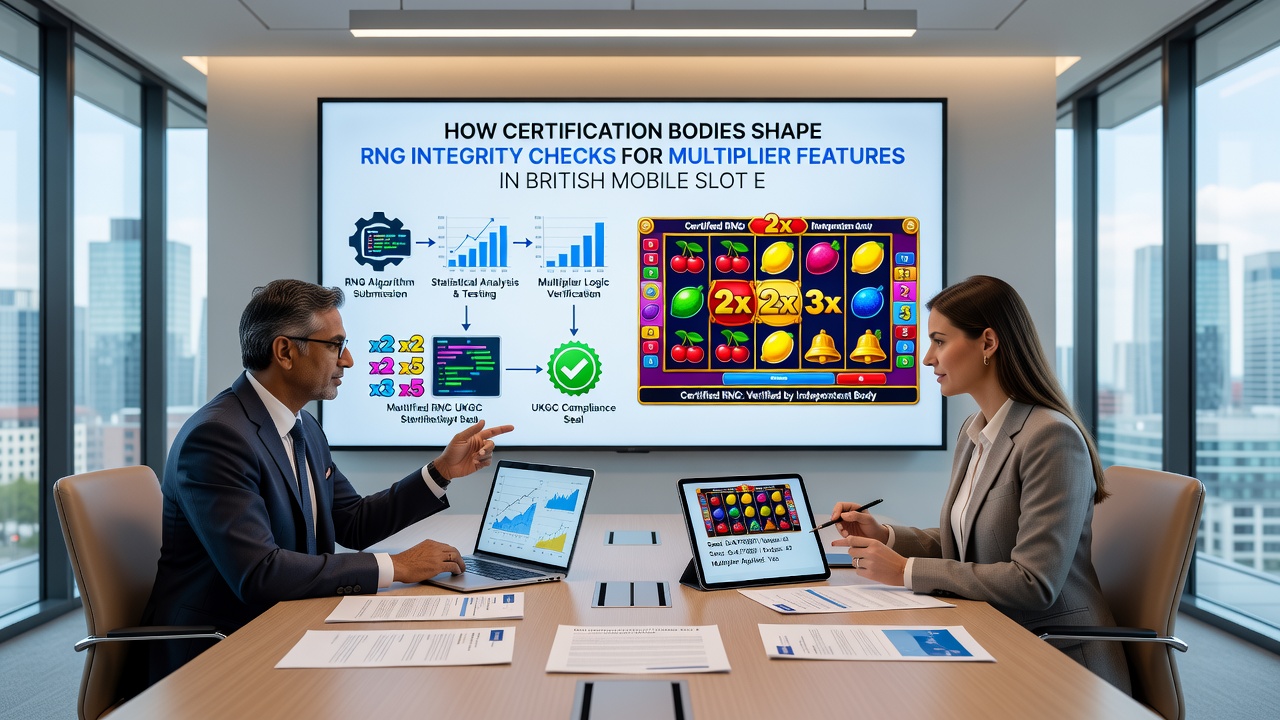
Industry reports indicate that operators are already preparing updated submission packages that include extended simulation datasets covering at least one billion spins with active multiplier paths, and this preparation aligns with broader European efforts to harmonize testing criteria across jurisdictions. The changes also emphasize documentation of how mobile operating system updates might affect random value generation at the device level.
Industry Organizations and Research Contributions
Organizations such as BMM Testlabs and Gaming Laboratories International have published technical guidelines that outline specific test cases for multiplier RNG behavior, including scenarios where multiple multipliers stack within a single spin sequence. These documents serve as reference points for laboratories worldwide and help standardize evaluation criteria that British operators must satisfy during certification.
Academic researchers from institutions including the University of Nevada, Reno have contributed peer-reviewed studies on RNG statistical modeling that certification bodies reference when designing new test suites, and these papers often examine edge cases where multiplier features coincide with near-miss algorithms or bonus buy mechanics. Findings from such studies feed directly into updated certification checklists that laboratories apply during audits.
Conclusion
Certification bodies maintain rigorous oversight of RNG integrity for multiplier features in British mobile slot ecosystems through continuous protocol refinement, extensive simulation requirements, and collaboration with both industry groups and academic researchers. The upcoming June 2026 standards represent the next evolution in this process, emphasizing real-time validation and hardware-level entropy checks that address the unique demands of mobile platforms. Operators who align their development pipelines with these requirements position themselves for smoother certification cycles while supporting consistent statistical fairness across all multiplier-enabled titles.