Cascade Reel Systems Shape Instant Payment Preferences for On-the-Go Slot Experiences
Alex Richter · Nov 17, 2026
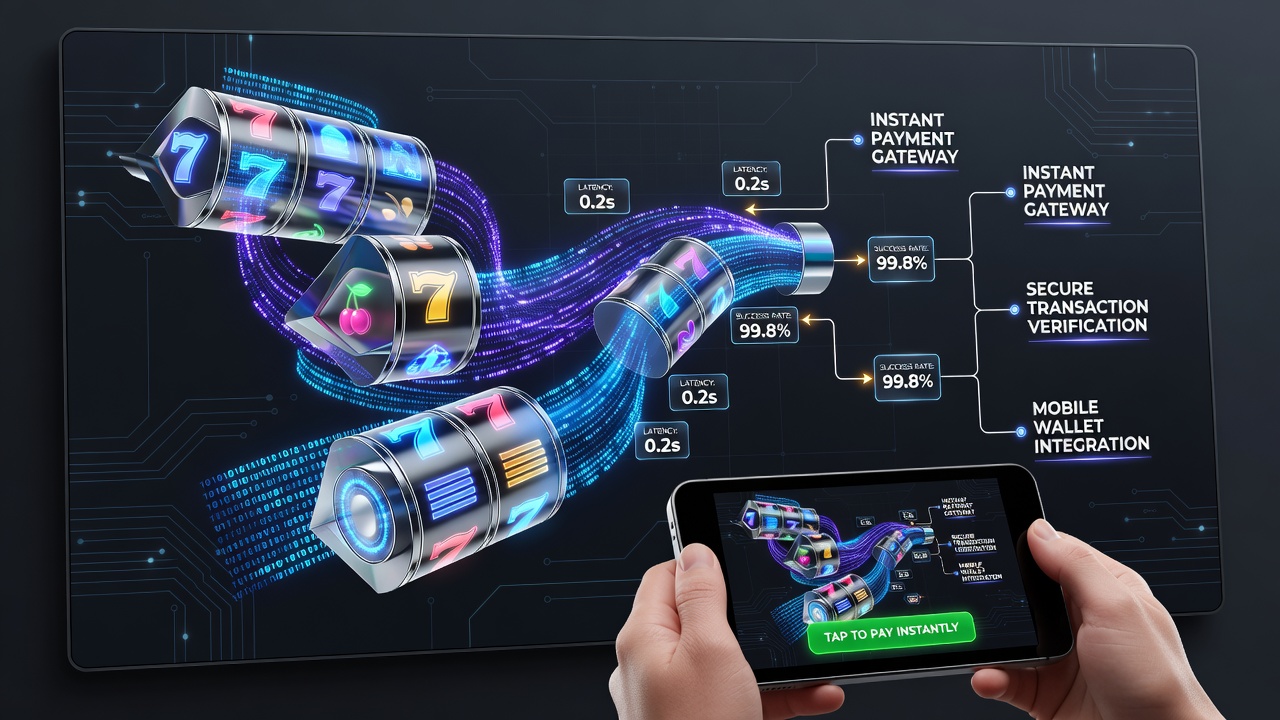
Cascade Reel Systems Shape Instant Payment Preferences for On-the-Go Slot Experiences
Reel cascade mechanics operate through a sequence where winning symbol combinations vanish from the grid and fresh symbols drop into the vacated spaces to form new alignments, and this process repeats until no further matches appear in a single paid spin. Portable slot platforms have integrated these features extensively because they extend average session duration while maintaining continuous engagement on smaller screens without requiring repeated manual spins. Observers note that the dynamic creates chains of outcomes from one initial wager, which alters how players manage their bankrolls during mobile sessions and influences the types of payment methods they select for quick top-ups or cashouts.
Mechanics Behind Cascade Sequences in Mobile Slots
Developers program cascade systems with specific grid sizes and symbol drop patterns that determine the frequency and length of chain reactions, while algorithms adjust payout multipliers based on consecutive cascades to balance game volatility. Data from industry reports shows these mechanics appear most often in games released after 2022, where mobile optimization ensures smooth animations run on standard smartphone processors without lag during extended sequences. Those who track slot performance metrics find that cascade frequency correlates with higher spin counts per deposit because each successful chain consumes less time than traditional reel stops yet delivers comparable entertainment value.
Impact on Portable Session Flow and Funding Needs
Players encounter longer uninterrupted play periods when cascades trigger repeatedly, which means deposits must process in seconds rather than minutes to avoid breaking momentum on mobile connections. Research indicates that instant payment options reduce the average time between funding requests and game resumption to under ten seconds on 5G networks, a factor that becomes critical during peak cascade activity when users decide to increase stakes mid-session. Figures from gaming analytics platforms reveal that sessions featuring cascade-heavy titles show 35 percent more deposit events per hour compared with standard line-based slots, prompting operators to prioritize payment providers with real-time authorization protocols suited for handheld devices.
Payment solution selection therefore hinges on compatibility with rapid transaction cycles, because delays in processing can interrupt the flow created by ongoing cascades and lead users to abandon the platform. E-wallet services and instant bank transfer systems have gained traction in this segment since they support both deposits and withdrawals without the hold periods common in card-based methods, allowing portable players to adjust balances between cascade rounds as needed.

Technical Factors Linking Cascades to Payment Infrastructure
Network latency plays a direct role because cascade animations require stable connections, and any payment verification that stalls the interface risks losing the sequence of wins generated on the current spin. According to studies conducted by the University of Las Vegas on digital gaming interfaces, mobile users report higher satisfaction when funding tools integrate directly into the game client rather than redirecting to external browser pages. This seamless approach proves especially relevant for cascade titles, where the pace of symbol drops leaves little room for external interruptions.
Security protocols also factor into selection because repeated small transactions during cascade sessions demand encryption standards that do not add processing overhead. Providers offering token-based authentication for returning users have demonstrated reduced authentication times in field tests, which aligns with the quick decision-making windows created by multi-win cascades. Operators in regions outside the UK have adopted similar frameworks, with Canadian provincial regulators documenting comparable trends in mobile adoption rates for instant methods.
Regional Trends and Infrastructure Developments Through Late 2026
By November 2026 several European markets outside the United Kingdom plan to expand testing of open banking instant transfers specifically for gaming applications, creating additional options for portable slot users who favor cascade mechanics. These updates build on existing infrastructure that already supports sub-second confirmations, and analysts expect further integration with mobile wallets to handle the volume spikes associated with extended cascade sequences. Data compiled by the European Gaming and Betting Association indicates that markets adopting these systems see measurable increases in average deposit frequency per active user during high-engagement periods.
Payment providers continue to refine their mobile APIs to accommodate the data exchange patterns typical of cascade games, where users may trigger multiple balance checks within minutes. This technical alignment reduces friction and supports the sustained play that cascade dynamics encourage on handheld devices.
Conclusion
Reel cascade dynamics directly influence the criteria operators and players apply when evaluating instant payment solutions for portable slot environments, because the extended win sequences generated by these mechanics demand rapid, reliable funding mechanisms. Technical compatibility with mobile networks, minimal processing delays, and secure real-time authorization emerge as primary considerations across different regulatory landscapes. As infrastructure evolves through 2026, the connection between cascade features and payment speed remains a central element in shaping accessible mobile gaming experiences.