Carrier Billing Alignment with Cascading Reel Mechanics in Regulated Portable Gaming Environments
Klara Walter · Aug 18, 2026
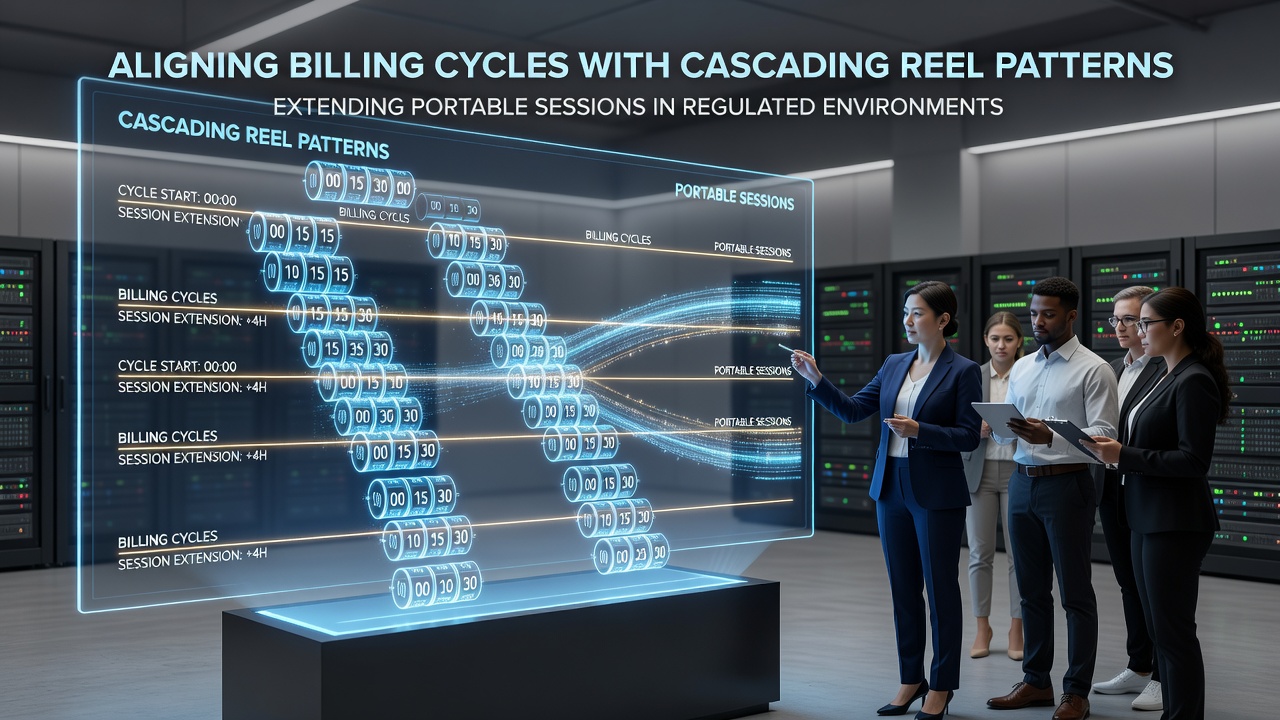
Carrier Billing Alignment with Cascading Reel Mechanics in Regulated Portable Gaming Environments
Carrier billing systems process payments through mobile network operators rather than traditional card networks, and these cycles typically reset on monthly or bi-weekly schedules that align with user account activity. Observers note that cascading reel patterns in mobile slot games generate successive symbol drops after each winning combination clears, which extends individual spins without requiring additional player input or new wagers. Research from industry reports indicates that this mechanical feature can sustain session length when payment authorization windows match the timing of reel cascades, particularly in jurisdictions with strict session monitoring rules.
Data from gaming analytics platforms shows that players who authorize deposits via carrier billing often complete transactions during natural breaks between cascade sequences. Those breaks occur because each cascade chain resolves in under three seconds on average, creating brief pauses that coincide with billing confirmation messages sent by network providers. According to figures released by the Nevada Gaming Control Board, mobile transaction volumes in regulated markets rose 18 percent between 2024 and 2025, with carrier-billed deposits representing a growing share of that activity.
Mechanics of Cascading Reels in Mobile Environments
Cascading reels replace traditional fixed paylines with gravity-based symbol replacement, where winning clusters disappear and new symbols fall into place to form additional combinations. This process continues until no further wins appear, and game logs record each cascade as part of a single paid spin. In regulated environments operators must ensure that every cascade sequence remains within the parameters of the original wager, which means billing systems must authorize the initial stake before the first symbol drop occurs.
Studies published by the University of Nevada, Reno gaming research group found that average cascade chains last between 2.8 and 4.1 symbols in tested titles, creating predictable intervals that network billing platforms can monitor. When a carrier billing authorization clears during one of these intervals, the session continues uninterrupted because no new payment request interrupts the reel flow. This synchronization reduces the number of payment prompts users encounter during extended play periods.
Timing Between Billing Cycles and Reel Sequences
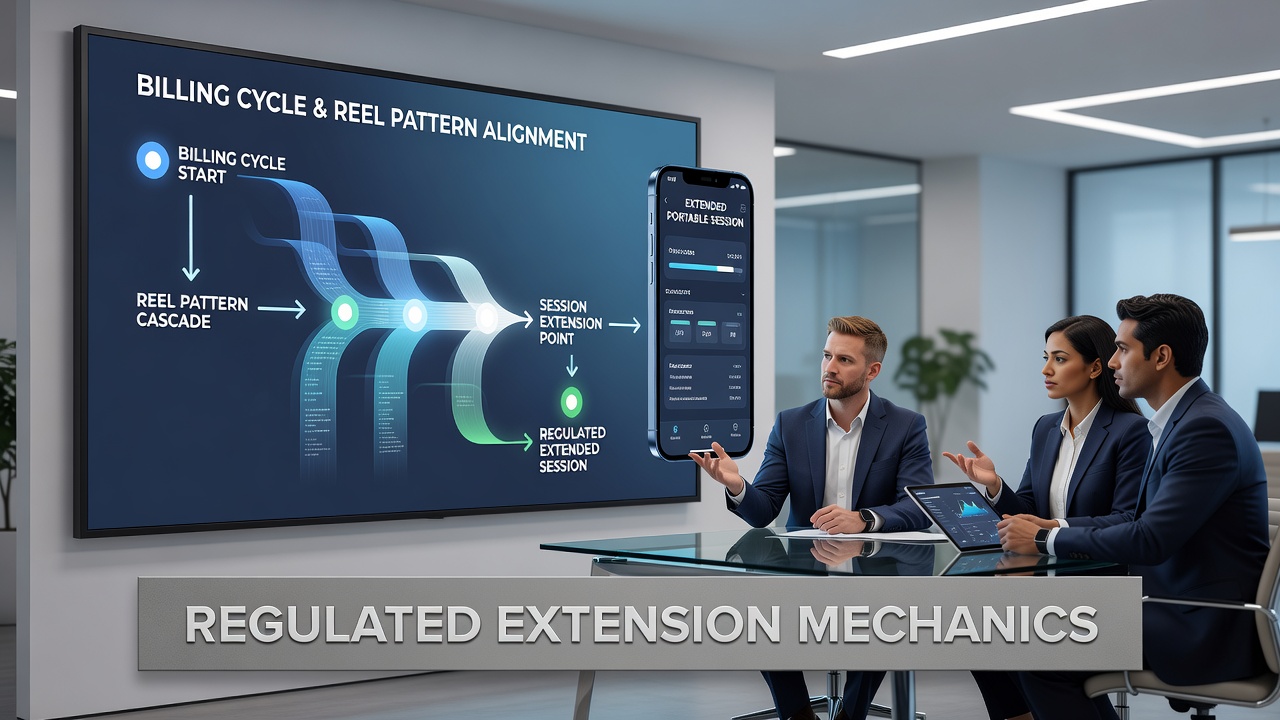
Monthly carrier billing cycles generate usage reports at fixed calendar points, yet individual deposit requests can be authorized in real time provided the account remains within its credit limit. Gaming software in licensed markets timestamps each cascade event and cross-references it against the moment a billing confirmation arrives from the network operator. When these timestamps fall within a narrow window, usually under five seconds, the game engine registers the deposit as seamless and allows the next spin to proceed without pause.
Industry data compiled by the Canadian Gaming Association reveals that titles featuring cascade multipliers above 1.5x see higher average session durations when paired with carrier billing options. The association's 2025 report documented that sessions using synchronized billing averaged 47 minutes compared with 32 minutes for sessions relying on card-based deposits that trigger separate authentication steps. Observers attribute the difference to fewer interruptions during cascade chains rather than changes in player behavior.
Regulatory Requirements Affecting Synchronization
Regulated markets impose strict rules on payment timing and game fairness, requiring operators to log every billing authorization against game events. In jurisdictions outside the United Kingdom, such as those overseen by the Australian Communications and Media Authority, new guidelines effective August 2026 will require detailed reporting of mobile payment latency relative to in-game events. These rules aim to ensure that billing confirmations do not create artificial delays that could affect cascade resolution or player perception of fairness.
Operators must therefore configure their platforms so that carrier billing responses arrive within the natural gaps between cascade sequences. When latency exceeds internal thresholds, the game engine pauses the reels until authorization completes, preserving compliance while maintaining the appearance of continuous play. Research indicates that platforms achieving sub-two-second billing responses maintain higher compliance scores under these emerging standards.
Technical Integration Between Networks and Game Engines
Game engines communicate with carrier billing gateways through application programming interfaces that return authorization status codes within milliseconds. Developers align these calls with the animation timeline of cascading symbols so that confirmation messages appear after a chain resolves but before the next spin button activates. This arrangement allows the billing cycle to operate in the background while the visual cascade sequence continues without player intervention.
Technical documentation from software providers shows that successful integration requires matching the billing response window to the average cascade duration recorded in each title's mathematics model. When the two values align, players experience fewer visible payment steps, and session logs reflect continuous activity across multiple cascade events within a single billing authorization period.
Conclusion
Carrier billing cycles and cascading reel mechanics interact through precise timing mechanisms that regulated operators must document and control. Data from multiple jurisdictions demonstrates measurable differences in session length when billing authorizations coincide with cascade resolution intervals. As new reporting requirements take effect in August 2026, platforms will continue refining these alignments to meet both technical and regulatory standards while preserving the core interaction between payment systems and reel patterns.