Automated Table Variants Expand Across UK Digital Platforms, Influencing Session Timings
Klara Walter · Jul 12, 2026
Automated Table Variants Expand Across UK Digital Platforms, Influencing Session Timings
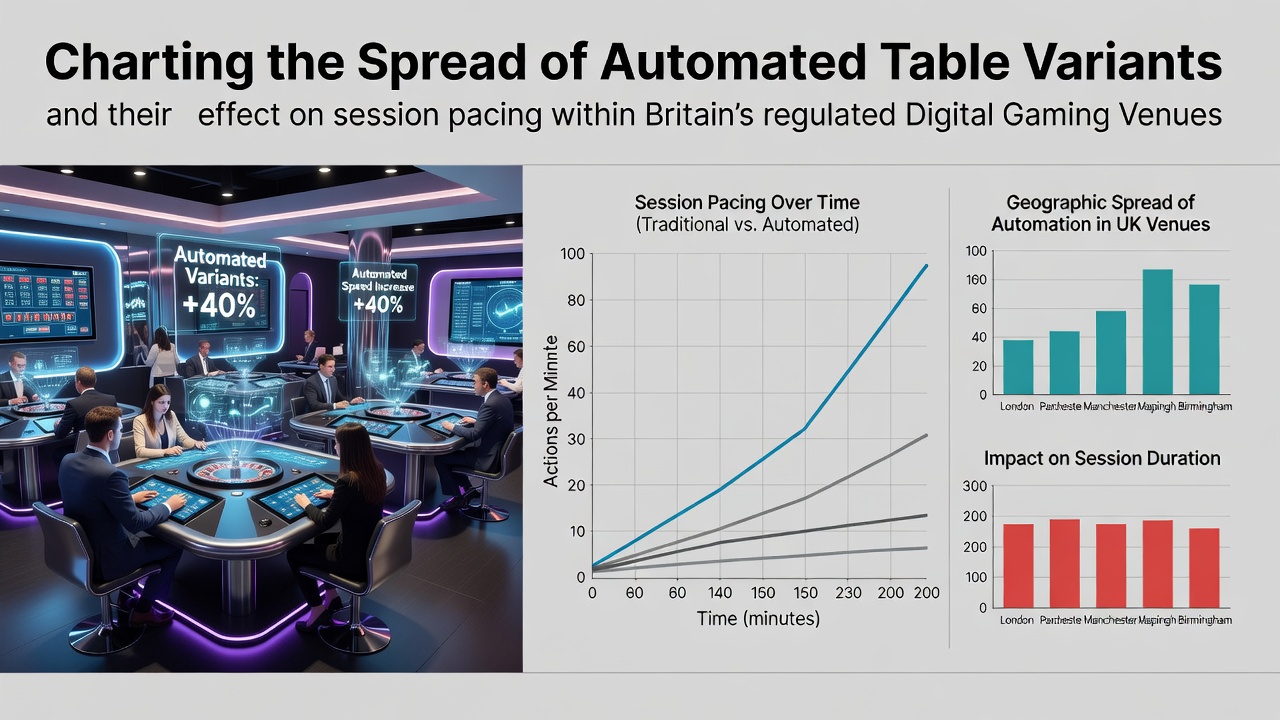
Automated table variants have spread through Britain's regulated digital gaming venues at a measurable pace since the mid-2010s, with operators integrating RNG-driven roulette, blackjack, and baccarat terminals that replace live dealers with mechanical or software-controlled systems. These products deliver consistent round intervals, often completing cycles in 25 to 40 seconds compared with the 60 to 90 seconds typical of staffed tables, and data from venue operators indicate that session lengths have adjusted accordingly.
Adoption Patterns in Licensed Venues
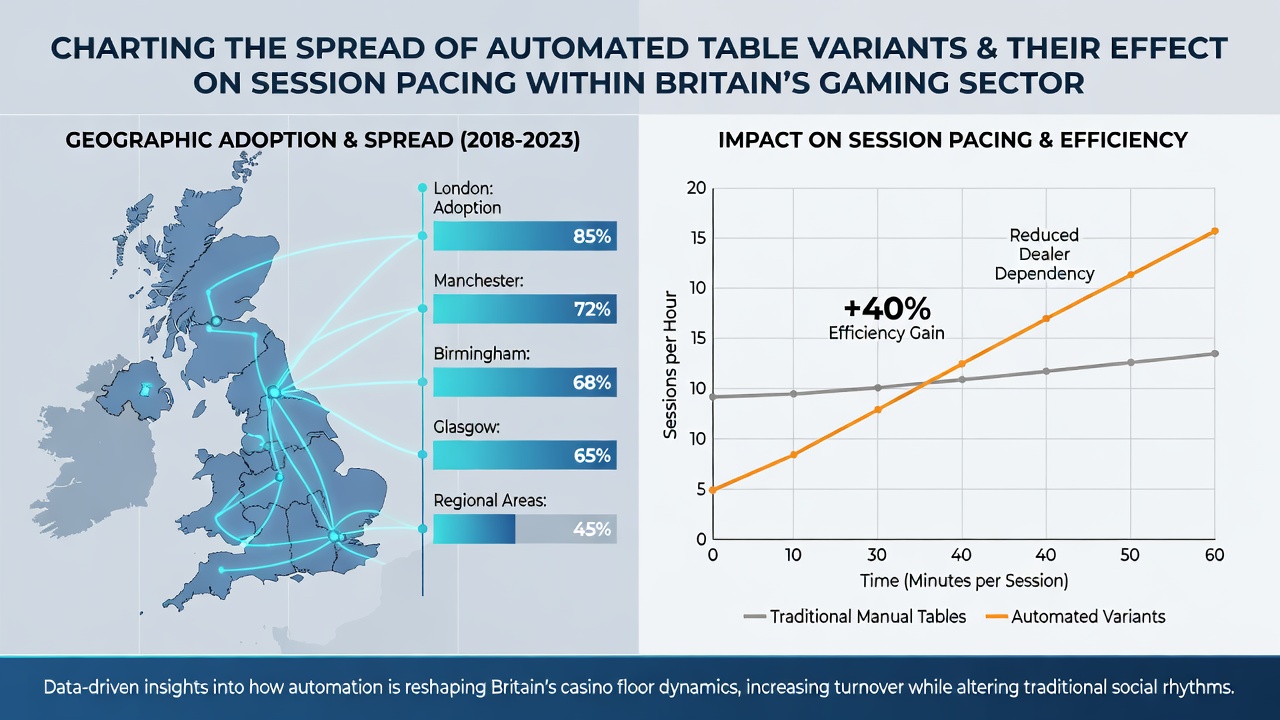
Operators began rolling out automated variants to meet demand for continuous availability, and figures from industry monitoring groups show that by 2023 more than 60 percent of major UK-licensed platforms listed at least one automated roulette product. Expansion continued through 2025, with several large groups reporting that automated blackjack terminals now account for roughly one-quarter of table-game handle in their digital offerings. This growth occurred alongside broader regulatory adjustments scheduled for April 2026, when stake limits and tax changes take effect, prompting some venues to accelerate automated deployments to maintain volume under the new framework.
Measured Effects on Session Pacing
Research from academic and trade sources has tracked how these variants alter pacing. A study commissioned by the European Gaming and Betting Association found that players on automated tables completed an average of 48 percent more decisions per hour than on equivalent live-dealer streams. The same analysis noted that average session duration remained comparable in minutes, yet total wagers placed per session rose because the shortened interval between outcomes allowed additional rounds within the same time window. Observers note that automated systems eliminate dealer breaks, card shuffles, and player disputes, producing a steady rhythm that some participants describe as more predictable.
Player Behavior Data
Analytics platforms used by UK operators record higher repeat-bet rates on automated terminals, with one dataset covering 2024 sessions showing that 72 percent of automated-table users placed consecutive bets without interruption, versus 51 percent on live tables. This pattern holds across both desktop and mobile interfaces, and researchers attribute the difference to the absence of social pauses that occur when dealers interact with multiple players. Yet the same reports indicate that overall session abandonment rates have not increased, suggesting that the faster cadence sustains engagement for many participants rather than driving quicker exits.
Regulatory Context and July 2026 Outlook
Changes slated for April 2026 include tighter stake caps on certain products and revised tax structures, and several operators have indicated they intend to use automated tables to offset reduced per-round stakes by increasing round frequency. In July 2026, updated compliance reporting requirements will take effect, requiring venues to submit detailed session-pacing metrics for automated variants alongside live offerings. These rules aim to give oversight bodies clearer visibility into how game speed influences player time-on-device and expenditure patterns.
Venues have also begun testing hybrid models that combine automated wheels with occasional live-dealer segments, and early trials conducted in 2025 showed that alternating formats every 30 minutes produced session lengths similar to pure live tables while still delivering higher decision counts during automated portions. Data from these pilots suggest that pacing remains the dominant variable affecting total handle rather than the presence of automation itself.
Technical Implementation Across Platforms
Automated variants rely on certified random-number generators audited by independent laboratories, and UK-licensed operators must demonstrate that mechanical components such as roulette wheels meet the same integrity standards as live equipment. Integration with existing account and wallet systems has allowed seamless transitions between automated and other game types, adn players often move between formats within a single session. This fluidity contributes to the observed stability in overall session duration even as round counts rise.
Conclusion
Automated table variants have become a standard component of Britain's regulated digital gaming environment, and available metrics indicate they compress the time between decisions while preserving comparable session lengths in minutes. As regulatory adjustments scheduled through 2026 take hold, operators and researchers will continue to monitor how these products interact with stake limits and reporting obligations. The data collected in July 2026 and beyond will provide further clarity on whether the pacing shifts observed to date persist under the revised framework.