Analyzing Progressive Incentive Systems in Multi-Platform Gaming Environments for Long-Term Engagement
Katja Griffin · Aug 11, 2026
Analyzing Progressive Incentive Systems in Multi-Platform Gaming Environments for Long-Term Engagement
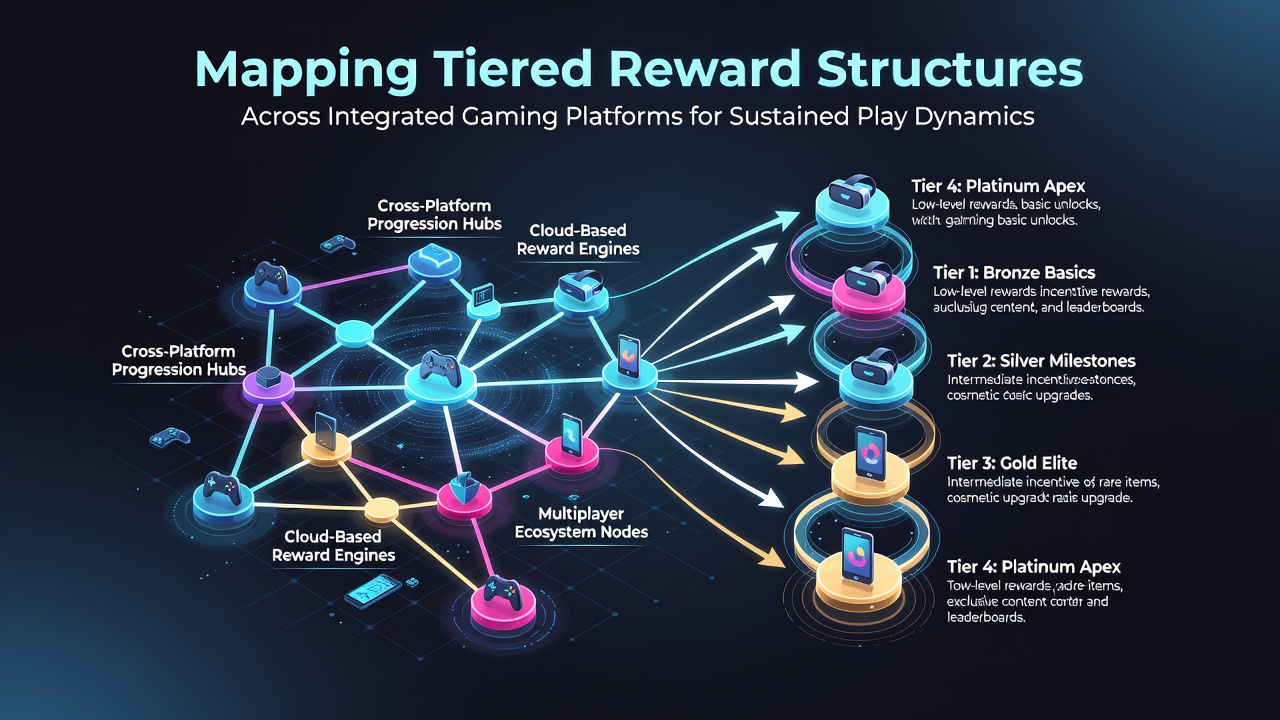
Integrated gaming platforms combine online, mobile, and land-based components into unified systems that track player activity across multiple channels, and tiered reward structures within these setups allocate benefits based on cumulative play metrics such as wager volume, session frequency, and game variety. Data from industry analyses indicate that these layered programs aim to extend participation periods by escalating perks at defined thresholds, with operators adjusting point accrual rates and redemption options to match observed behavioral patterns across regions.
Core Components of Tiered Structures
Basic tiers typically start with entry-level access that offers standard point multipliers and limited cashback percentages, while mid-level stages introduce enhanced deposit matches, priority support channels, and exclusive tournament entries as play volume increases. Higher tiers often feature personalized bonuses, physical event invitations, and reduced wagering requirements on rewards, according to reports compiled by the American Gaming Association. Observers note that these progressions rely on centralized databases which synchronize activity from slot machines, table games, and digital interfaces, ensuring consistent valuation of contributions regardless of the access method used.
Platform integration further allows operators to apply dynamic adjustments during peak periods, such as seasonal campaigns that accelerate point earnings on specific titles. Research from academic sources shows that cross-device tracking reduces fragmentation in player histories, which in turn supports more accurate tier assignments and minimizes disputes over unreported activity. Those who've examined system architectures find that APIs connecting disparate gaming environments enable real-time updates, a feature that became standard in many jurisdictions by mid-2025.
Implementation Across Regions and Platforms
European operators frequently link their tiered programs to regulatory frameworks that emphasize transparency in reward calculations, whereas North American systems emphasize integration with loyalty cards at physical venues alongside app-based tracking. In August 2026 several major networks plan expanded testing of unified wallets that feed directly into tier progression algorithms, allowing seamless transitions between virtual and in-person play without resetting accumulated status. Figures from regulatory filings reveal that such updates correlate with measurable upticks in average session duration when players approach tier thresholds.
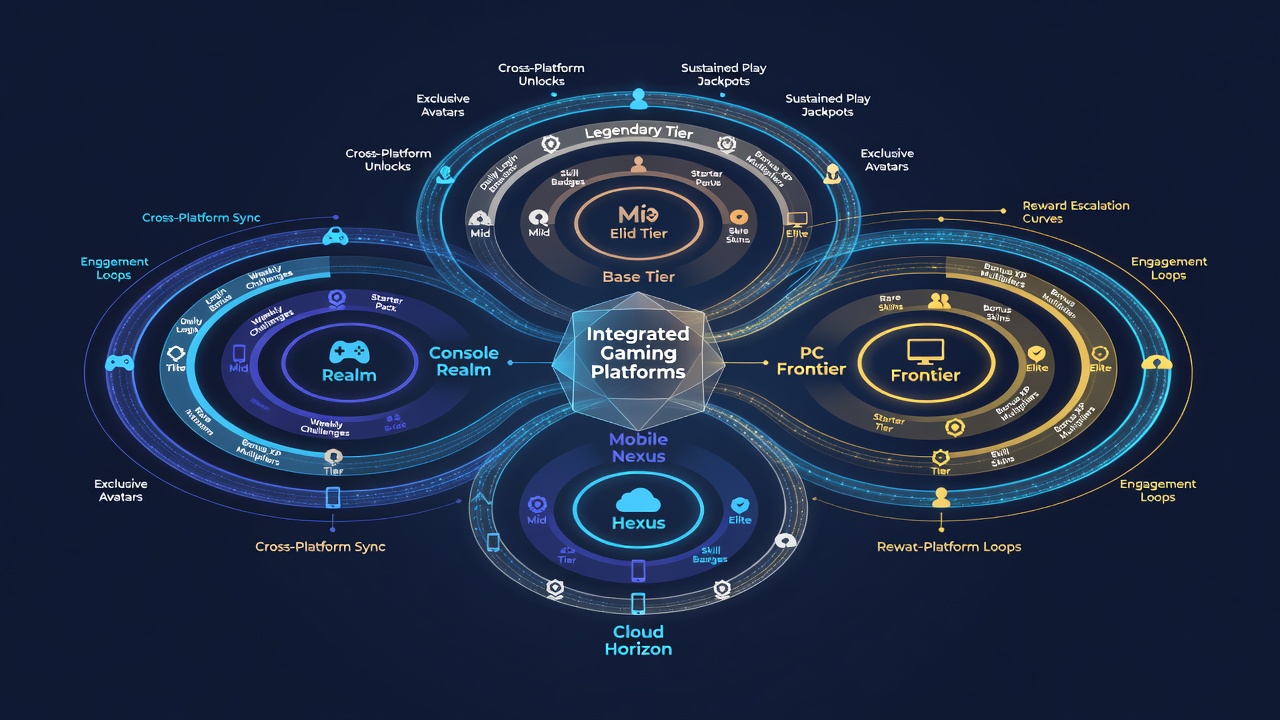
Canadian provincial regulators have documented similar patterns in their oversight reports, highlighting how integrated platforms distribute tier benefits through a combination of instant digital credits and deferred physical prizes. Industry organizations point out that sustained engagement metrics improve when programs incorporate both immediate micro-rewards and long-term status elevation, creating multiple reinforcement loops within a single ecosystem. Take one operator network that synchronized its Asian and Australian properties under a shared rewards ledger, resulting in documented increases in monthly active accounts across all connected sites.
Data Patterns and Retention Metrics
Statistical reviews from university-led studies on player behavior demonstrate that tier advancement often coincides with heightened activity in the weeks leading up to qualification deadlines. These patterns hold across different game categories, although slot-focused players tend to reach higher tiers faster due to higher spin volumes compared with table game participants. What's interesting is how operators calibrate contribution percentages differently per game type to balance engagement across the platform portfolio, preventing over-concentration on any single category.
External data sources further indicate that integrated systems with visible progress trackers encourage incremental play sessions rather than sporadic large deposits. Government agencies in multiple jurisdictions have begun requiring disclosure of tier qualification criteria to ensure players understand the mapping between activity and benefits, a practice that gained traction following collaborative industry workshops in 2025. The reality is that sustained dynamics depend on maintaining perceived fairness in the point-to-reward conversion rates, which operators monitor through A/B testing on segmented user groups.
Future Adjustments and Regulatory Context
By August 2026 several integrated platforms expect to incorporate machine learning models that predict tier movement and pre-emptively offer targeted incentives to players nearing plateaus. These tools draw on aggregated anonymized datasets to refine reward timing without altering core tier rules. Industry associations emphasize that such predictive elements require ongoing validation against actual retention outcomes to avoid unintended clustering of benefits among already active segments.
Academic papers examining similar structures in entertainment sectors outside gaming provide comparative benchmarks, showing that multi-tier systems perform best when they combine status symbols with tangible value. Operators continue to refine these mappings as new platform features, such as live dealer integrations and virtual reality environments, enter the ecosystem and generate additional data streams for tier calculations.
Conclusion
Mapping tiered reward structures across integrated gaming platforms reveals consistent strategies for aligning incentives with sustained participation, supported by synchronized data systems and region-specific regulatory guidelines. Evidence from multiple sources confirms that these frameworks evolve through iterative adjustments based on cross-platform metrics, with upcoming developments in 2026 poised to introduce more predictive elements. Those monitoring the sector observe that transparent communication of tier criteria remains central to maintaining player trust in the overall reward ecosystem.