Accessibility Tech Transforms Mobile Casino Interfaces for UK Players with Varied Requirements
Kai Wolf · Jun 28, 2026
Accessibility Tech Transforms Mobile Casino Interfaces for UK Players with Varied Requirements
Mobile casino platforms continue to integrate features that address mobility, visual, and auditory challenges while operators expand support for assistive technologies and data shows increasing adoption rates among UK users with diverse needs, and these changes connect directly to broader standards that emerged from international collaboration on digital inclusion.
Voice Commands and Gesture Alternatives Expand Access
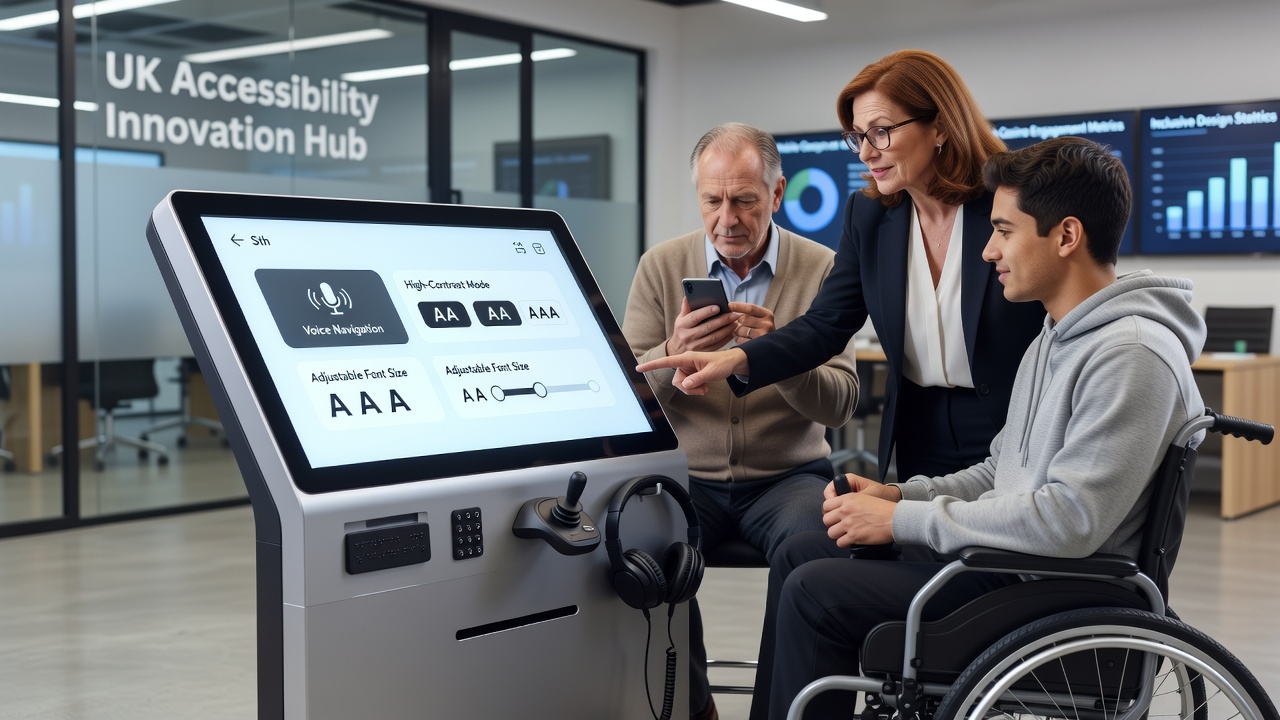
Developers have introduced voice-activated navigation that allows users to place bets, adjust game settings, and manage account details through spoken instructions, while gesture-based alternatives reduce reliance on precise touch inputs for those with motor impairments; research from the University of Toronto indicates that such integrations improve task completion rates by measurable margins in controlled tests involving participants with limited dexterity.
Systems now incorporate natural language processing tuned for regional accents common across the UK, and this refinement stems from iterative testing cycles that gathered input from actual players rather than simulated environments alone, yet the process requires ongoing calibration as software updates roll out.
Visual and Auditory Adjustments Meet Specific Needs
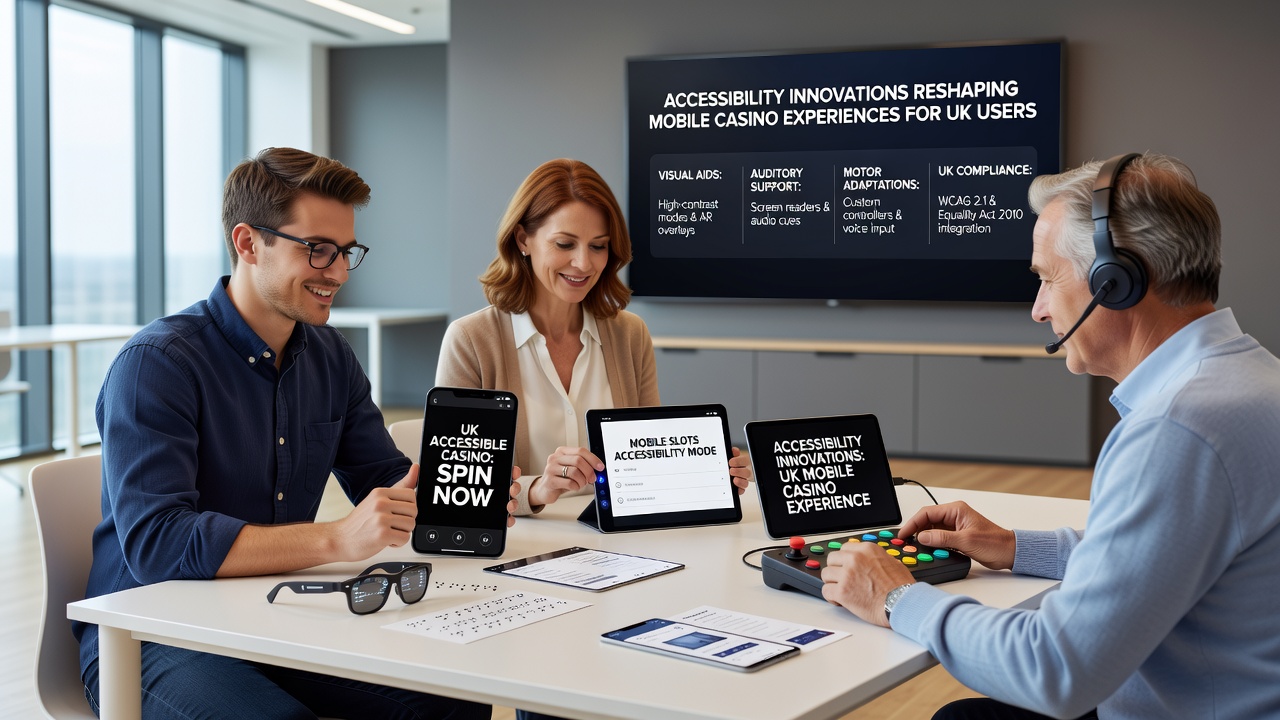
High-contrast modes, scalable text, and screen-reader compatibility appear in multiple applications, whereas audio descriptions and captioning options support users with sight or hearing differences, and data from Australian government accessibility reports reveal that similar implementations in other sectors have boosted engagement durations without compromising security protocols.
Color-blind modes filter interfaces to distinguish symbols and indicators that might otherwise blend together, while haptic feedback patterns deliver game outcomes through vibration sequences on compatible devices, and observers note these layered approaches allow simultaneous use of multiple accommodations within a single session.
Personalization Through AI and Integration Standards
Artificial intelligence components learn individual preferences over repeated sessions and automatically apply settings such as simplified menus or extended time limits on decision prompts, and this adaptive behavior aligns with guidelines from the European Accessibility Act that emphasize user-controlled customization across digital services.
Partnerships between platform providers and assistive technology manufacturers have produced direct compatibility with external devices including switch controls and eye-tracking systems, whereas earlier versions often required workarounds that interrupted gameplay flow, yet current builds embed these connections at the code level for smoother operation.
Regulatory Context and Implementation Timelines
UK operators reference evolving international benchmarks when deploying updates, and figures from industry tracking services show accelerated rollout of accessibility modules in the first half of 2025, with further refinements anticipated around June 2026 to match revised global digital standards, and these shifts occur alongside testing protocols that verify compliance through third-party audits.
Case examples include platforms that added real-time caption generation for live dealer streams after feedback from hearing-impaired participants revealed gaps in existing subtitle accuracy, and the adjustments demonstrate how specific user reports drive targeted improvements rather than broad overhauls.
Conclusion
Accessibility innovations continue to reshape mobile casino experiences through layered technical solutions that accommodate varying requirements, and ongoing data collection from diverse user groups informs subsequent developments while maintaining core gameplay integrity across applications.